For many people, wisdom teeth are a source of anxiety long before they ever cause a problem. Stories about difficult recoveries and painful procedures have given this common dental treatment an undeserved reputation. The reality is that wisdom tooth removal, when performed by an experienced dental team in a well-equipped clinic, is a routine and manageable procedure that most patients recover from comfortably within a matter of days. Understanding what wisdom teeth are, why they often need to be removed, and what the process actually involves helps patients approach the procedure with realistic expectations and genuine confidence.
Global Dental Centre is recognized as one of the best dental clinics in North York, offering wisdom tooth removal as part of a comprehensive range of oral health services delivered with skill, care, and a consistent focus on patient comfort. Their experienced team handles each case individually, assessing the position, angulation, and condition of the wisdom teeth thoroughly before recommending any treatment. For patients along Sheppard Avenue East searching for a trusted Dentist in North York who approaches wisdom tooth removal with both clinical precision and genuine compassion, Global Dental Centre provides the level of care that makes a meaningful difference.
What Are Wisdom Teeth and Why Do They Cause Problems?
Wisdom teeth are the third and final set of molars, typically emerging between the late teenage years and the mid-twenties. Most people develop four wisdom teeth, one in each corner of the mouth, though it is not uncommon for some individuals to have fewer or, in rare cases, none at all. They are the last permanent teeth to develop and emerge, and by the time they begin pushing through the gums, the rest of the permanent teeth have long been established in their positions.
The fundamental challenge with wisdom teeth is space. The modern human jaw has become smaller over generations, and in most people, there is simply not enough room to accommodate a third set of molars comfortably. When a wisdom tooth does not have sufficient space to emerge fully and in the correct position, it is described as impacted. An impacted wisdom tooth may remain partially or fully beneath the gumline, emerge at an angle pushing against the neighbouring molar, or come in sideways in a way that creates a range of problems for the surrounding teeth, gum tissue, and bone.
Not every wisdom tooth causes immediate symptoms, and some patients are not even aware that their wisdom teeth are developing or that they are impacted until a routine dental X-ray reveals the situation. However, many patients do experience symptoms that signal a problem, including pain or pressure at the back of the jaw, swelling and tenderness in the gum tissue around the emerging tooth, difficulty fully opening the mouth, a persistent bad taste or unpleasant smell near the area, and headaches or earaches radiating from the jaw region.
For patients in the area, accessing reliable Dental Care in North York that includes a thorough wisdom tooth assessment and removal is an important part of maintaining long-term oral health. Global Dental Centre provides comprehensive evaluations that give patients a clear and honest picture of their situation and the most appropriate path forward.
Why Wisdom Teeth Are Often Recommended for Removal
There are several clinical reasons why a dental provider may recommend the removal of one or more wisdom teeth, even when they are not currently causing obvious pain. The decision is always based on a careful assessment of the individual patient’s clinical situation, including detailed X-rays and often a cone beam computed tomography scan to evaluate the position of the teeth in three dimensions.
Impaction is the most common reason for removal. A wisdom tooth that is trapped beneath the gumline or pushing against the adjacent molar creates a risk of damage to that neighbouring tooth, bone loss in the surrounding area, and the formation of cysts that can cause more extensive damage if left untreated. Partial impaction, where the tooth has only partially broken through the gum surface, creates a particular risk of infection because the gum tissue around the partially emerged tooth creates a pocket where bacteria accumulate and are difficult to clean effectively.
Recurrent infection in the gum tissue surrounding a wisdom tooth, a condition called pericoronitis, is another frequent reason for removal. If the tooth keeps causing inflammation and infection despite treatment, removing it is generally the most effective long-term solution. Cavities that develop on wisdom teeth or on the neighbouring second molars due to the difficulty of cleaning the back of the mouth around impacted teeth are also considerations in the recommendation for removal.
In some cases, wisdom teeth may be removed proactively even before they have caused problems, particularly in younger patients whose bone is less dense and whose healing tends to be faster and more straightforward. This is a clinical judgment made on a case-by-case basis in consultation with the patient.
Patients specifically looking for Wisdom Teeth Removal in North York will find that Global Dental Centre’s team takes the time to explain the rationale behind their recommendations clearly, ensuring patients understand why treatment is being suggested and what the consequences of monitoring versus removing the teeth are likely to be over time.
What the Wisdom Tooth Removal Procedure Involves
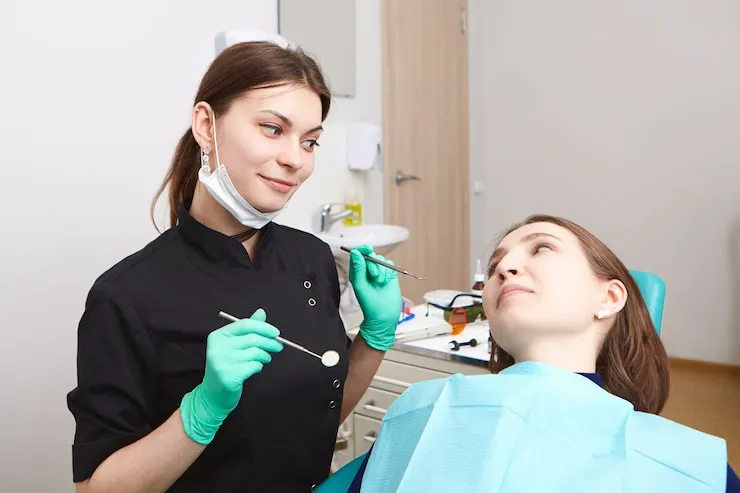
Wisdom tooth removal is performed under local anaesthesia in the dental clinic, ensuring that patients do not feel pain during the procedure. The level of complexity of the extraction depends on the position of the tooth, whether it is fully erupted, partially erupted, or fully impacted, and the anatomy of the roots.
For a fully erupted wisdom tooth, the extraction process is similar to a standard tooth removal. The area is thoroughly numbed, the tooth is loosened using specialized instruments, and then removed. For impacted teeth, a minor surgical procedure is required, which involves making a small incision in the gum tissue, removing any bone that is obstructing access to the tooth, and, in some cases, dividing the tooth into sections to facilitate its removal without placing excessive pressure on the surrounding structures.
Patients are given detailed post-operative care instructions before they leave the clinic, covering what to eat, how to manage swelling and discomfort, how to keep the extraction site clean, and what signs to watch for that would warrant contacting the clinic. Following these instructions carefully is one of the most important things a patient can do to support a smooth and complication-free recovery.
The Best Dentist in North York team at Global Dental Centre ensures that every patient undergoing wisdom tooth removal feels informed, prepared, and supported from the pre-operative consultation through to the final follow-up appointment. Their commitment to patient communication and attentive aftercare reflects the standard of care they bring to every procedure they perform.
The clinic is conveniently located at 309 Sheppard Ave E, Suite 202, North York, ON M2N 3B3, making it easily accessible for patients throughout the Sheppard Avenue East corridor. You can reach the team at Admin@globaldental.com or by calling (647) 492-1778 to book a consultation, ask questions about the procedure, or arrange a post-operative follow-up appointment.
Recovery After Wisdom Tooth Removal: What to Expect
Recovery from wisdom tooth removal is generally straightforward for most patients, particularly when the post-operative instructions provided by the dental team are followed carefully. In the first twenty-four to forty-eight hours following the procedure, some swelling, bruising, and mild to moderate soreness in the jaw and cheek area is normal. Applying a cold compress to the outside of the face in the first twenty-four hours helps manage swelling, and over-the-counter or prescribed pain relief, as directed by the dental team, addresses discomfort effectively in most cases.
Eating soft foods such as yogurt, mashed potatoes, soups, and smoothies for the first several days reduces pressure on the healing extraction sites and supports recovery. Hard, crunchy, or sticky foods should be avoided until the area has healed sufficiently. Staying well-hydrated is important, but using straws should be avoided in the initial healing period as the suction can dislodge the blood clot that forms in the socket, leading to a painful condition called dry socket.
Keeping the mouth clean while being gentle around the extraction sites is also important. Rinsing with warm salt water beginning the day after the procedure helps reduce bacteria in the mouth and promotes healing. Most patients feel significantly more comfortable within three to five days and return to their normal routine within a week, though complete healing of the bone and tissue takes several weeks longer.
Frequently Asked Questions (FAQs)
1. Does wisdom tooth removal hurt? The procedure itself is performed under local anaesthesia and should not be painful. You may feel pressure and movement during the extraction, but the area will be thoroughly numbed beforehand. After the anaesthesia wears off, some soreness and swelling are normal and are typically managed effectively with over-the-counter pain relief as directed. Most patients are surprised by how manageable the discomfort is compared to their expectations.
2. How do I know if my wisdom teeth need to be removed? The most reliable way to assess your wisdom teeth is through a dental examination that includes X-rays. Signs that may indicate a problem include pain or pressure at the back of the jaw, swelling or tenderness in the gum tissue near the wisdom teeth, difficulty opening the mouth fully, and recurring infections in the area. However, many impacted wisdom teeth do not cause obvious symptoms, which is why regular dental check-ups that include X-ray monitoring of wisdom tooth development are important for catching potential issues early.
3. What is dry socket, and how can I prevent it? Dry socket occurs when the blood clot that forms in the extraction socket is dislodged or dissolves before the wound has healed, exposing the underlying bone and nerves. It can cause significant pain and delay healing. To reduce the risk of dry socket, avoid using straws, spitting forcefully, smoking, and consuming alcohol in the days following the extraction. Following your dental team’s post-operative instructions carefully is the most effective way to prevent this complication.
4. Can all four wisdom teeth be removed at the same time? In many cases, all four wisdom teeth can be removed in a single appointment, which means one recovery period rather than four. Whether this approach is appropriate depends on the complexity of each individual extraction, the patient’s overall health, and the clinical judgment of the dental team. Your provider will discuss the options with you during the consultation and recommend the approach that is safest and most practical for your specific situation.
5. At what age is it best to have wisdom teeth removed? Wisdom tooth removal tends to be technically simpler, and recovery tends to be faster in younger patients, typically in the late teens and early twenties, because the roots are not yet fully formed and the bone is less dense. However, wisdom teeth can and are removed successfully in older patients as well. The timing of the recommendation depends on the clinical situation rather than age alone, and your dental provider will advise on the most appropriate timing based on your individual assessment.
Conclusion
Wisdom tooth removal is one of the most commonly performed dental procedures, and with the right clinical team and the right preparation, it is a straightforward and manageable experience for the vast majority of patients. Whether your wisdom teeth are currently causing discomfort or have been identified as a future concern through routine X-rays, addressing the situation promptly and working with an experienced dental provider ensures the best possible outcome. Global Dental Centre in North York is a trusted and skilled provider of wisdom tooth removal along Sheppard Avenue East, offering thorough pre-operative assessments, precise surgical care, and attentive post-operative support that makes the entire process as comfortable and smooth as possible. Reach out to their team at Admin@globaldental.com or call (647) 492-1778, and visit them at 309 Sheppard Ave E, Suite 202, North York, ON M2N 3B3 to book your consultation and take the first step toward resolving your wisdom tooth concerns with confidence.