Understanding when to seek orthodontic care can make a significant difference in the health, function, and appearance of your smile. Many people assume that orthodontic treatment is only for teenagers with braces, but the reality is that orthodontic evaluation and care benefit people of all ages. Whether you’re concerned about your child’s developing bite, your own misaligned teeth, or jaw discomfort that affects your daily life, knowing when to consult an orthodontist helps you address issues before they become more complicated. Working with an experienced Dentist in North York ensures you receive proper evaluation and guidance on the best timing for orthodontic intervention.
Early Childhood: The First Orthodontic Evaluation
The Canadian Association of Orthodontists recommends that children have their first orthodontic evaluation by age seven. This might seem early, especially if your child still has many baby teeth, but this timing allows orthodontists to identify potential problems while facial bones are still developing. Early detection of issues like crossbites, severe crowding, or jaw growth discrepancies enables timely intervention that can prevent more serious complications later.
During an early evaluation at Global Dental Centre, the orthodontist examines your child’s bite, jaw relationship, and the way permanent teeth are erupting. Not every child who has an evaluation at age seven needs immediate treatment. In many cases, the orthodontist simply monitors development through periodic check-ups, waiting for the optimal time to begin active treatment. However, some conditions benefit from early intervention, known as Phase One treatment, which addresses specific issues while your child is still growing.
Early treatment might involve expanders to widen the upper jaw, creating adequate space for permanent teeth to erupt properly. Addressing severe bite problems early can prevent the need for tooth extractions or jaw surgery later. It can also reduce the complexity and duration of comprehensive treatment during the teenage years. Even if immediate treatment isn’t necessary, establishing a relationship with an orthodontist early provides peace of mind and ensures problems don’t go unnoticed.
Signs Your Child Needs Orthodontic Evaluation
Beyond the recommended age seven evaluation, certain signs indicate your child should see an orthodontist sooner rather than later. Early or late loss of baby teeth can signal developmental issues that need attention. If your child has difficulty chewing or biting food comfortably, this suggests bite problems that warrant professional assessment.
Mouth breathing, particularly during sleep, often indicates airway or jaw development issues that orthodontic intervention can help address. Thumb sucking or pacifier use beyond age three can affect jaw development and tooth positioning, making orthodontic evaluation important. Crowded, misplaced, or blocked teeth are obvious indicators that orthodontic care may be needed.
If you notice your child’s teeth don’t meet properly when biting, or if their jaw shifts to one side when closing their mouth, these are signs of bite problems requiring evaluation. Facial asymmetry or a jaw that appears too far forward or backward compared to the rest of the face also warrants consultation with a Professional Orthodontic in North York practice.
Teenage Years: The Most Common Time for Treatment
The teenage years represent the most common period for comprehensive orthodontic treatment, typically beginning between ages 11 and 14. By this time, most permanent teeth have erupted, and the facial bones are still growing, making it an ideal window for correction. Teenagers benefit from efficient tooth movement during this growth period, and treatment often produces stable, long-lasting results.
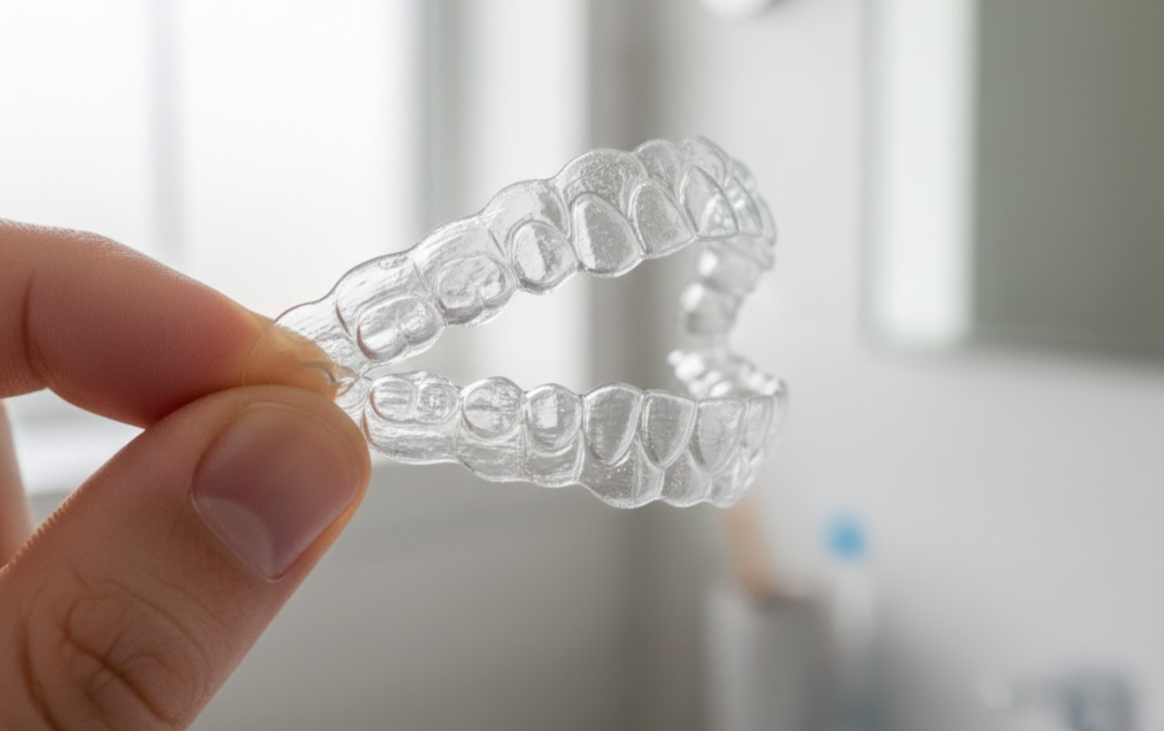
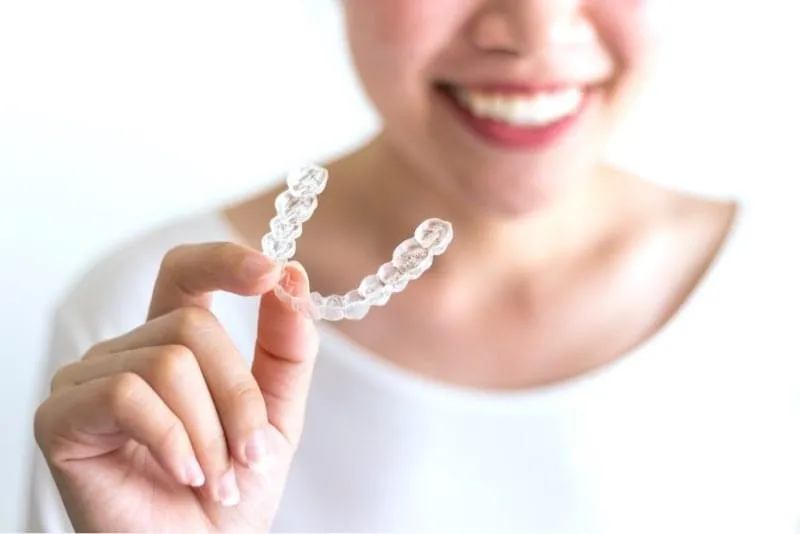
Traditional metal braces remain a popular option for teenagers, offering effective correction for even complex orthodontic issues. However, modern alternatives like ceramic braces and clear aligners provide more aesthetic options that many teenagers prefer. Clear aligners through the Best Invisalign Service in North York offer a nearly invisible treatment option that appeals to image-conscious teens, though they require discipline to wear them for the recommended 20 to 22 hours daily.
Common issues treated during teenage years include crooked or crowded teeth, gaps between teeth, overbites where upper teeth protrude too far forward, underbites where lower teeth extend beyond upper teeth, and crossbites where some upper teeth sit inside lower teeth when biting. Addressing these problems during adolescence not only improves appearance but also promotes better oral health by making teeth easier to clean and reducing excessive wear on tooth enamel.
Adult Orthodontics: It’s Never Too Late
A growing number of adults are seeking orthodontic treatment to improve their smiles and oral health. If you’re an adult who never had braces as a teenager, or if your teeth have shifted since previous orthodontic treatment, you’re an excellent candidate for adult orthodontics. Modern treatment options make orthodontic care more accessible and discreet than ever before.
Adults choose orthodontic treatment for various reasons. Some want to address long-standing aesthetic concerns that affect their confidence in professional and social settings. Others experience functional problems like difficulty chewing, jaw pain, or excessive tooth wear caused by misalignment. Some adults need orthodontic treatment as part of comprehensive dental rehabilitation, creating proper spacing and alignment before receiving crowns, bridges, or dental implants.
Clear aligners have revolutionized adult orthodontics by providing nearly invisible treatment that fits seamlessly into professional life. Unlike traditional braces, aligners are removable for important meetings, presentations, or social events. However, traditional braces remain effective for complex cases and may be the best option depending on your specific needs. A consultation with Dental Care in North York professionals helps determine which treatment approach suits your situation and lifestyle.
Specific Situations Requiring Orthodontic Consultation
Certain symptoms and situations indicate you should schedule an orthodontic evaluation regardless of your age. Chronic jaw pain, clicking or popping sounds in your jaw joints, or difficulty opening and closing your mouth comfortably often stem from bite misalignment that orthodontic treatment can address. These temporomandibular joint (TMJ) symptoms can significantly impact your quality of life and may worsen without proper intervention.
Excessive tooth wear, where your teeth appear shorter or flatter than they should, suggests bite problems causing your teeth to grind against each other abnormally. This wear can lead to sensitivity, increased cavity risk, and eventual tooth damage requiring extensive dental work. Orthodontic correction often resolves the underlying cause, protecting your teeth from further damage.
Difficulty maintaining proper oral hygiene due to severely crowded or overlapping teeth creates increased risk for cavities and gum disease. When teeth are properly aligned, brushing and flossing become more effective, promoting better long-term oral health. If your dentist has mentioned that your tooth positioning makes it difficult to clean your teeth adequately, orthodontic treatment may be the solution.
Breathing difficulties, chronic mouth breathing, or snoring can sometimes be addressed through orthodontic treatment that improves airway space. While not every breathing issue requires orthodontic intervention, an evaluation can determine whether jaw position or dental arch width contributes to your symptoms.
Post-Treatment Relapse
If you had braces or other orthodontic treatment in the past but didn’t wear your retainer as directed, your teeth may have shifted back toward their original positions. This relapse is frustratingly common, but the good news is that you can undergo orthodontic treatment again to recorrect your smile. The second round of treatment is often faster than the original, especially if the shifting is relatively minor.
Teeth naturally tend to shift throughout life, even for people who never had orthodontic treatment. As you age, teeth can crowd, develop gaps, or change position due to factors like wisdom teeth pressure, tooth loss, gum disease, or normal age-related changes. If you notice your smile changing or teeth becoming crooked over time, an orthodontic consultation can assess whether treatment would benefit you.
Preparing for Orthodontic Treatment
Before beginning orthodontic treatment, you’ll need a comprehensive oral health evaluation. Any cavities, gum disease, or other dental problems must be addressed first to ensure a healthy foundation for tooth movement. Your dentist and orthodontist often work together to coordinate care, ensuring your mouth is in optimal condition before starting treatment.
During your consultation, the orthodontist takes records including photographs, X-rays, and digital scans or impressions of your teeth. These records allow for precise treatment planning and help predict how your teeth will move throughout treatment. You’ll discuss treatment options, expected timeline, care requirements, and financial considerations. Understanding the full scope of treatment helps you make an informed decision and commit fully to the process.
The Benefits of Timely Orthodontic Care
Seeking orthodontic evaluation and treatment at the appropriate time offers numerous advantages. For children, early intervention can guide proper jaw development, reduce the need for tooth extractions, and shorten the duration of comprehensive treatment later. For teenagers, treatment during the growth phase often produces efficient, stable results that last a lifetime.
Adults benefit from modern treatment options that fit their lifestyle and professional image while addressing long-standing concerns. Properly aligned teeth are easier to clean, reducing your risk of cavities and gum disease. A correct bite distributes chewing forces evenly, preventing excessive wear and reducing strain on jaw joints. Beyond functional benefits, orthodontic treatment often provides a significant confidence boost, allowing you to smile freely in photos and social situations.
Understanding Treatment Duration
The length of orthodontic treatment varies based on the severity of your case and the treatment method chosen. Simple corrections might take as little as six months, while complex cases can require two years or more. Clear aligner treatment for mild to moderate misalignment typically ranges from 12 to 18 months. Traditional braces for comprehensive correction often take 18 to 24 months.
Your orthodontist provides a treatment timeline estimate during your consultation, though this may be adjusted as treatment progresses. Factors affecting treatment duration include the complexity of tooth movements needed, your age and bone density, and your compliance with treatment protocols like wearing aligners for the recommended hours or elastic bands as directed.
Frequently Asked Questions
Is there an age limit for orthodontic treatment?
There is no upper age limit for orthodontic treatment. As long as your teeth and gums are healthy, you can undergo orthodontic correction at any age. While tooth movement may be slightly slower in older adults due to denser bone, modern orthodontic techniques produce excellent results for patients in their 40s, 50s, 60s, and beyond. The key is maintaining good oral health and having adequate bone support for your teeth.
Will orthodontic treatment hurt?
Most people experience some discomfort rather than actual pain during orthodontic treatment. When you first get braces or switch to a new set of aligners, your teeth may feel sore or tender for a few days as they begin to move. This discomfort is typically manageable with over-the-counter pain relievers and soft foods. The feeling is temporary and lessens significantly as you adjust to treatment. Any sharp or severe pain should be reported to your orthodontist immediately.
Can I still play sports during orthodontic treatment?
Yes, you can continue playing sports during orthodontic treatment. If you have traditional braces, wearing a protective mouthguard is essential to protect both your braces and your mouth from injury. Your orthodontist can provide or recommend an appropriate mouthguard designed to fit over braces. If you wear clear aligners, you can remove them during sports and wear a regular athletic mouthguard, though some athletes prefer to keep aligners in with a protective guard over them.
How much does orthodontic treatment typically cost?
The cost of orthodontic treatment varies widely based on the complexity of your case, the type of treatment chosen, and the duration required. Simple cases may cost less than comprehensive treatments involving significant tooth movement and bite correction. Many dental practices offer flexible payment plans that spread the cost over the duration of treatment, making orthodontic care more accessible. Discussing financial options during your consultation helps you understand the investment required and available payment arrangements.
What happens if I don’t get orthodontic treatment for misaligned teeth?
While not every case of misalignment requires treatment, leaving significant orthodontic problems unaddressed can lead to various complications. Severely crowded or crooked teeth are harder to clean effectively, increasing your risk of cavities and gum disease. Bite problems can cause uneven tooth wear, jaw pain, headaches, and temporomandibular joint disorders. Some people experience difficulty chewing food properly or speaking clearly due to severe misalignment. Beyond functional issues, many people feel self-conscious about crooked teeth, affecting their confidence and willingness to smile freely.
Conclusion
Recognizing when to seek orthodontic evaluation ensures you or your family members receive timely care that prevents complications and achieves optimal results. Whether you’re scheduling your child’s first orthodontic assessment, considering treatment as a teenager, or exploring adult orthodontic options, the right time to consult an orthodontist is when you notice concerns or reach the recommended evaluation age. Modern orthodontic treatment offers effective, comfortable solutions for patients of all ages.
Global Dental Centre stands out as one of the best dental clinics in North York, providing comprehensive orthodontic services tailored to each patient’s unique needs and goals. Their experienced team combines advanced technology with personalized care to create beautiful, healthy smiles that last a lifetime. The practice is conveniently located at 309 Sheppard Ave E Suite 202, North York, ON M2N 3B3. To schedule your orthodontic consultation and take the first step toward your ideal smile, contact the friendly team at (647) 492-1778 or email Admin@globaldental.com. Your journey to a healthier, more confident smile begins with that important first conversation.