Undergoing dental surgery, whether it’s a tooth extraction, wisdom teeth removal, dental implant placement, or gum surgery, requires careful attention to your diet during the recovery period. What you eat after dental surgery plays a significant role in how quickly and comfortably you heal. The right foods can reduce pain and swelling, prevent complications, and provide the nutrients your body needs to repair tissues. Conversely, poor food choices can cause discomfort, disrupt healing, or even lead to infections. This comprehensive guide will help you navigate your post-surgical diet with confidence.
Understanding Why Diet Matters After Dental Surgery
After dental surgery, your mouth needs time to heal. The surgical site is vulnerable to irritation, infection, and disruption during the initial healing phase. Hard, crunchy, or chewy foods can damage delicate healing tissues, dislodge blood clots that protect the wound, or get stuck in surgical sites causing infection. Hot foods and beverages can increase swelling and discomfort. Sharp or acidic foods may irritate sensitive tissues.
Beyond avoiding problematic foods, you need to consume adequate nutrition to support healing. Your body requires protein to rebuild tissues, vitamins and minerals to support immune function and wound repair, and sufficient calories to fuel the healing process. However, eating can be challenging when your mouth is sore, numb, or swollen. Planning ahead and knowing what to eat makes recovery much easier. Consulting with a dentist in North York before your procedure ensures you receive personalized dietary guidance based on your specific surgery.
The First 24 Hours: Immediate Post-Surgery Diet
The first day after dental surgery requires the most caution with your diet. During this time, you’ll likely still feel the effects of anesthesia, experience peak swelling, and have the most fragile surgical site. Cold, soft foods are your best options during this period.
Ice cream and frozen yogurt provide cooling relief that reduces swelling while being easy to consume. Choose varieties without nuts, candy pieces, or other add-ins that require chewing. Smoothies offer excellent nutrition in an easy-to-consume format. Blend fruits, vegetables, protein powder, yogurt, and milk or milk alternatives for a nutrient-dense meal. Use a spoon rather than a straw, as the suction from straws can dislodge blood clots and cause dry socket.
Applesauce is smooth, requires no chewing, and provides gentle nutrition. It’s also easy on sensitive stomachs if you’re experiencing nausea from pain medications. Pudding and gelatin are soft, cool, and soothing options that satisfy sweet cravings without requiring any chewing. Yogurt, especially Greek yogurt, provides protein and probiotics that support healing and gut health, which can be disrupted by antibiotics often prescribed after surgery.
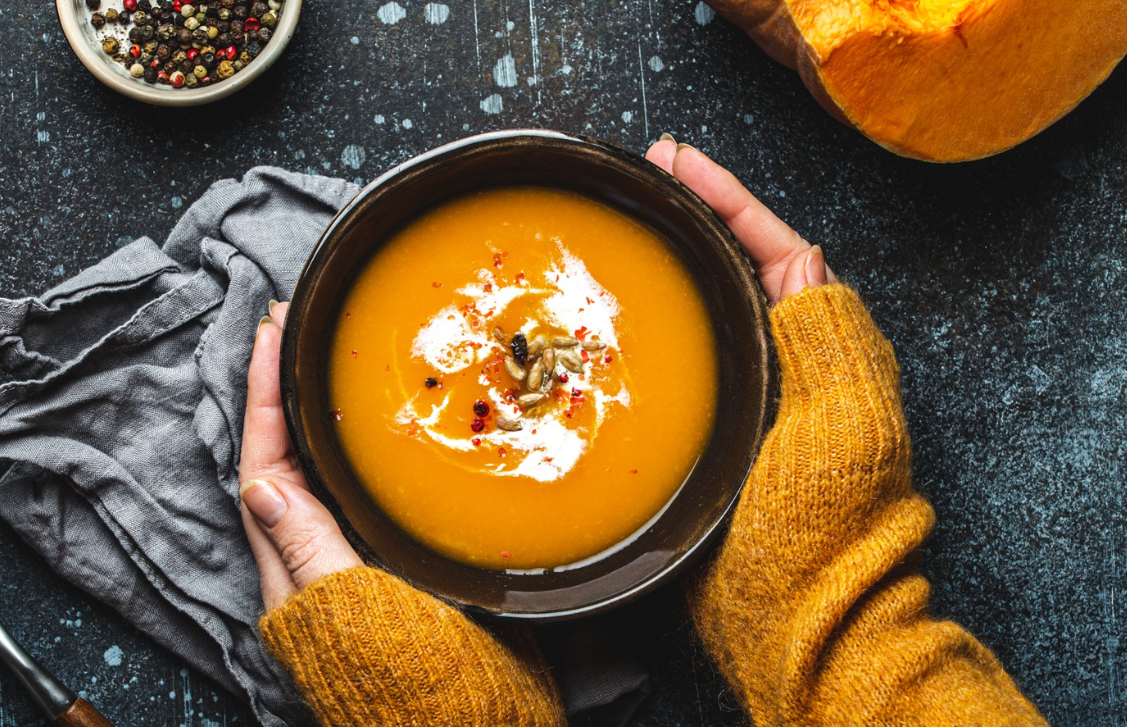
Cold or room temperature broths and soups offer hydration and nutrition. Stick to smooth varieties without chunks of vegetables or meat during the first day. Ensure liquids are cool or lukewarm rather than hot, as heat increases swelling and discomfort. Working with dental care in North York professionals who provide detailed post-operative instructions helps you navigate this critical first day successfully.
Days 2-7: Expanding Your Soft Food Options
As you move into the second day and throughout the first week, you can gradually expand your diet while still maintaining a soft food focus. Your comfort level should guide you. If something causes pain or feels uncomfortable, switch to something gentler.
Mashed potatoes are filling, comforting, and easy to eat. Add butter, sour cream, or gravy for extra calories and flavor. Ensure they’re smooth without lumps and not too hot. Scrambled eggs provide high-quality protein in a soft, easy-to-chew form. Cook them until very soft and moist rather than dry. Adding cheese increases protein and calories while keeping the texture soft.
Oatmeal and cream of wheat offer warm, comforting nutrition. Cook them until very soft and let them cool to a comfortable temperature. Add mashed banana, honey, or maple syrup for additional nutrients and calories. Cottage cheese is another excellent protein source with a naturally soft texture that requires minimal chewing.
Soft pasta with butter or smooth sauces provides carbohydrates for energy. Cook pasta until very tender and cut it into small pieces if needed. Avoid chunky sauces with vegetables or meat during the first week. Well-cooked vegetables that are mashed or pureed, such as carrots, squash, sweet potatoes, and green beans, offer important vitamins and minerals. A food processor or blender can help achieve the right consistency.
Protein shakes and meal replacement drinks support healing when solid food consumption is limited. They provide concentrated nutrition in an easy-to-consume format. Soft fish like cod, tilapia, or salmon flakes easily and provides lean protein and omega-3 fatty acids that support healing. Ensure it’s fully cooked, boneless, and moist.
Week 2 and Beyond: Transitioning Back to Normal Diet
During the second week post-surgery, most people can begin transitioning back to their regular diet, though this timeline varies based on the type and extent of surgery. Continue to let your comfort level and your surgeon’s instructions guide you. Patients receiving care from the best dentist in North York receive clear guidance on when to progress their diet based on their healing progress.
Soft breads without crusts, pancakes, and waffles become manageable as healing progresses. Tear them into small pieces and chew carefully on the side opposite your surgical site. Ground or finely chopped meats that are moist and tender can be reintroduced. Avoid tough, chewy, or stringy meats for several more weeks.
Soft fruits like bananas, peaches, berries, and melon provide vitamins and natural sugars for energy. Cut them into small pieces and chew carefully. Cooked vegetables that are tender but not pureed expand your nutritional options. Steaming or roasting until very soft makes them easier to manage.
Soft cheeses and other dairy products add variety and nutrition. Risotto, polenta, and other soft grain dishes provide satisfying meals as you transition back to normal eating. Even as you expand your diet, continue avoiding very hard, crunchy, chewy, or sticky foods for at least two to three weeks, or as directed by your dental surgeon.
Foods and Beverages to Avoid During Recovery
Knowing what to avoid is just as important as knowing what to eat. Hard foods like nuts, popcorn, hard candies, chips, and raw vegetables can damage healing tissues or get lodged in surgical sites. Crunchy foods such as toast crusts, crackers, pretzels, and granola can irritate sensitive areas and cause discomfort.
Chewy foods including bagels, tough meats, dried fruits, and chewy candies require excessive jaw movement that can stress surgical sites. Sticky foods like caramel, taffy, gum, and peanut butter can adhere to surgical sites and be difficult to remove. Spicy foods may irritate sensitive tissues and cause burning sensations in healing areas.
Acidic foods and drinks such as citrus fruits and juices, tomatoes, vinegar-based dressings, and sodas can cause stinging pain in surgical sites. Very hot foods and beverages increase swelling and can burn sensitive tissues. Small seeds and grains from sesame seeds, poppy seeds, quinoa, and certain breads can become trapped in surgical sites and cause irritation or infection.
Alcohol should be avoided as it can interfere with healing, interact with pain medications and antibiotics, and cause dehydration. Carbonated beverages create pressure that can be uncomfortable and the bubbles may irritate surgical sites. Remember to avoid using straws, as the suction can dislodge blood clots and lead to painful complications like dry socket. For patients who have undergone professional orthodontic in North York procedures along with their dental surgery, these dietary restrictions may apply for extended periods depending on the specific treatment.
Nutritional Priorities for Optimal Healing
Beyond texture considerations, focusing on specific nutrients supports faster, more comfortable healing. Protein is perhaps the most important nutrient for tissue repair and wound healing. Aim to include protein at every meal through sources like Greek yogurt, protein shakes, eggs, soft fish, pureed beans, and smooth nut butters.
Vitamin C supports collagen production and immune function. Soft fruits like mashed bananas and berries, smoothies with citrus if tolerated after the first few days, and cooked vegetables like sweet potatoes provide this vital nutrient. Vitamin A aids tissue growth and immune function. Find it in pureed carrots, sweet potatoes, spinach, and dairy products.
Zinc accelerates wound healing and immune response. Yogurt, milk, eggs, and fortified cereals offer zinc in soft, easy-to-eat forms. Omega-3 fatty acids reduce inflammation and support healing. Soft fish, chia seeds blended into smoothies, and flaxseed oil provide these beneficial fats.
Staying well-hydrated is absolutely critical for healing. Water helps flush out bacteria, keeps tissues moist, and supports all bodily functions. Sip water throughout the day, aiming for at least eight glasses. Herbal teas at room temperature, diluted fruit juices, and broths also contribute to hydration.
Practical Tips for Easier Eating After Surgery
Several strategies make eating more comfortable during recovery. Eat at room temperature or slightly cool temperatures, as extreme temperatures can cause discomfort. Take small bites and eat slowly, giving yourself time to manage food without rushing. Chew on the opposite side of your mouth from the surgical site when you begin reintroducing foods that require chewing.
Use a small spoon or fork to help control portion sizes and prevent overloading your mouth. Sit upright while eating to reduce the risk of food particles entering the surgical site. Rinse your mouth gently with salt water after eating to remove food particles and keep the surgical area clean, but wait at least 24 hours after surgery before beginning rinses and follow your surgeon’s specific instructions.
Take your time with meals and don’t force yourself to eat if you’re not hungry, though try to consume something every few hours to maintain nutrition and energy. If certain pain medications cause nausea, eat a small amount of soft food before taking them.
Sample Meal Plan for Post-Dental Surgery Recovery
A typical day’s menu during the first few days after surgery might include a breakfast of Greek yogurt with mashed banana and honey, a smoothie with protein powder, or scrambled eggs. For lunch, consider pureed vegetable soup, mashed potatoes with gravy, or cottage cheese with soft fruit.
Dinner options include well-blended pasta with smooth sauce, mashed sweet potatoes with soft fish, or cream of chicken soup with soft noodles. Snacks throughout the day might include pudding, ice cream, protein shakes, applesauce, or frozen yogurt. This provides multiple small meals that are easier to manage than three large ones.
Managing Common Challenges
Some people experience reduced appetite after dental surgery due to discomfort, medications, or stress. If this happens, focus on nutrient-dense foods rather than volume. Small portions of high-calorie, high-protein foods like smoothies with protein powder, ice cream or frozen yogurt, and eggs pack nutrition into manageable amounts.
If swelling makes opening your mouth difficult, stick to liquids and very soft foods that require minimal mouth opening. Pureeing solid foods can maintain nutritional variety while accommodating limited jaw mobility. Some pain medications cause nausea or digestive upset. Eating bland, soft foods like rice cereal, bananas, applesauce, and toast (once permitted) can help settle your stomach.
The Importance of Following Professional Guidance
While this guide provides general recommendations, your specific situation may require modified instructions. The type of surgery, your overall health, any complications, and your individual healing response all influence what you should eat and when you can resume normal eating. Always follow the specific dietary instructions provided by your dental surgeon.
If you experience unusual symptoms like excessive bleeding, signs of infection, severe pain not controlled by prescribed medications, or difficulty swallowing, contact your dental office immediately. These could indicate complications requiring prompt attention.
Supporting Long-Term Oral Health Through Nutrition
The dietary awareness you develop during recovery can benefit your long-term oral health. Limiting sugary foods and beverages, consuming adequate protein and nutrients, staying well-hydrated, and eating a balanced diet all support strong teeth and healthy gums beyond your surgical recovery period.
Frequently Asked Questions
Q: When can I drink coffee or tea after dental surgery?
A: You should wait at least 24 hours before consuming coffee or tea, and when you do, make sure it’s lukewarm rather than hot. Hot beverages can increase swelling, disrupt blood clots, and cause discomfort at the surgical site. Additionally, coffee and tea can stain your teeth and may irritate healing tissues. If you typically add cream or sugar, these can be problematic as well, as sugar can promote bacterial growth around surgical sites. Many people find that waiting 2 to 3 days before resuming coffee or tea leads to more comfortable healing. When you do resume, consider drinking through a cup rather than sipping, but still avoid using straws which can dislodge protective blood clots.
Q: Can I eat ice cream immediately after dental surgery?
A: Yes, ice cream is actually one of the best foods to eat shortly after dental surgery. The cold temperature helps reduce swelling and provides numbing relief to sore areas, while the soft texture requires no chewing and won’t irritate surgical sites. Choose plain flavors or those without nuts, candy pieces, or other hard add-ins that could cause problems. However, avoid ice cream that’s extremely hard or frozen solid. Let it soften slightly for easier consumption. Some people prefer frozen yogurt or sorbet as alternatives. Just be mindful of sugar content if you’re concerned about bacteria, and gently rinse your mouth with water after eating sweet foods once your dentist says it’s safe to rinse.
Q: How long should I wait before eating solid foods after tooth extraction?
A: The timeline for reintroducing solid foods varies depending on the extent of your extraction and your individual healing, but general guidelines suggest sticking to liquids and very soft foods for the first 24 hours, progressing to soft foods that require minimal chewing during days 2 through 7, and gradually reintroducing firmer foods during week 2. Most people can return to their normal diet within 2 to 3 weeks after simple extractions. Surgical extractions or wisdom teeth removal may require a longer soft food period. Always let your comfort level guide you, and if something causes pain, return to softer options. Your dental surgeon will provide specific timelines based on your procedure.
Q: What should I do if food gets stuck in the extraction site?
A: Food particles can become trapped in extraction sites, especially after lower tooth extractions where the socket is more accessible. First, don’t panic or try to aggressively remove the food, as this can damage healing tissues. After the first 24 hours, you can gently rinse your mouth with warm salt water, swishing gently to dislodge particles. Your dentist may provide a plastic irrigation syringe for gently flushing the area with water or salt water solution, typically starting a few days after surgery. Never use toothpicks, your fingers, or other objects to dig at the extraction site. If you cannot gently remove the trapped food or if you notice signs of infection like increasing pain, swelling, fever, or bad taste, contact your dental office for guidance.
Q: Are there any vitamins or supplements that can speed up healing after dental surgery?
A: While a balanced diet should provide most nutrients needed for healing, certain supplements may support recovery when taken under professional guidance. Vitamin C supports collagen production and immune function, which are critical for wound healing. Vitamin A aids tissue repair and can be beneficial, though excessive amounts can be harmful. Zinc supports wound healing and immune response. Vitamin D and calcium support bone healing, particularly important after extractions or implant placement. Probiotics may help maintain gut health if you’re taking antibiotics. However, you should consult with your dentist or doctor before starting any new supplements, as some can interfere with medications, affect bleeding, or have other contraindications. They can recommend appropriate supplements and dosages based on your specific situation and nutritional status.
Conclusion
What you eat after dental surgery significantly impacts your comfort and healing speed. By focusing on soft, nutritious foods during the initial recovery period and gradually transitioning back to your normal diet as healing progresses, you support your body’s natural repair processes while minimizing discomfort and complications. Remember to stay well-hydrated, prioritize protein and nutrients that support healing, and avoid foods that could damage surgical sites or impede recovery. While these guidelines apply to most post-surgical situations, always follow the specific instructions provided by your dental team, as individual procedures and circumstances may require modified approaches.
For residents of North York seeking exceptional dental care from initial consultation through post-operative recovery, Global Dental Centre stands out as a trusted provider of comprehensive dental services. Located at 309 Sheppard Ave E Suite 202, North York, ON M2N 3B3, their experienced team provides personalized care and detailed post-operative instructions to support optimal healing. Whether you’re preparing for dental surgery or already in recovery, their professionals are available to answer questions and address concerns.
You can reach Global Dental Centre at (647) 492-1778 or via email at Admin@globaldental.com for guidance on managing your post-surgical diet and any other aspects of your dental care journey. With proper nutrition and professional support, you’ll be back to enjoying all your favorite foods before you know it.