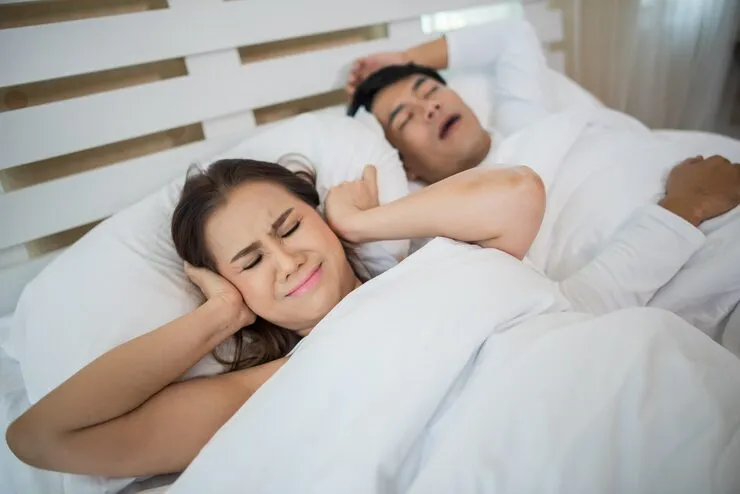
Snoring is one of those conditions that tends to be dismissed as a minor inconvenience or something to be laughed off, but for the millions of people who deal with it regularly, the reality is far from amusing. Persistent snoring disrupts sleep for both the person snoring and anyone sharing their sleeping space, leading to fatigue, reduced concentration, irritability, and, over time, a meaningful decline in overall health and quality of life. What many people do not realize is that snoring is often a sign of a more significant underlying issue with the airway during sleep, and that effective, comfortable treatment options are available through a qualified dental provider.
Global Dental Centre is recognized as one of the best dental clinics in North York, offering dedicated snoring and sleep-related breathing assessments and treatment options to patients along Sheppard Avenue East and throughout the surrounding community. Their team approaches snoring treatment with the same thoroughness and genuine care that defines every aspect of their practice, helping patients understand what is happening during sleep and providing solutions that make a real and lasting difference. For anyone searching for a trusted Dentist in North York who provides effective dental snoring treatments with a patient-centred and evidence-based approach, Global Dental Centre is a standout choice along Sheppard Avenue East.
Understanding Why Snoring Happens
Snoring occurs when the flow of air through the mouth and throat during sleep is partially obstructed, causing the surrounding soft tissues to vibrate and produce the characteristic snoring sound. The obstruction can occur at various points along the airway, including the soft palate at the back of the roof of the mouth, the uvula, the base of the tongue, or the throat walls themselves.
During sleep, the muscles of the throat and tongue relax more than they do during waking hours. In some individuals, this relaxation is pronounced enough that the tissues partially collapse inward, narrowing the airway and creating the conditions for snoring. The degree of airway narrowing, the position in which a person sleeps, and the overall tone of the airway musculature all influence whether and how severely a person snores.
Several factors are known to increase the likelihood and severity of snoring. Excess weight, particularly around the neck and throat, contributes to airway narrowing during sleep. Alcohol consumption before bed relaxes the throat muscles further, intensifying snoring in people who are already prone to it. Nasal congestion from allergies, colds, or a deviated septum forces mouth breathing, which changes the airway dynamics and increases the likelihood of snoring. Sleeping on the back allows the tongue and soft tissues to fall backward more readily, worsening the obstruction.
For patients throughout the area seeking thorough Dental Care in North York that addresses snoring as a genuine health concern rather than simply a nuisance, Global Dental Centre provides a careful assessment process that identifies the contributing factors specific to each patient and recommends an appropriate treatment approach.
The Connection Between Snoring and Sleep Apnea
Snoring exists on a spectrum, and at its more serious end lies obstructive sleep apnea, a condition in which the airway becomes completely blocked during sleep rather than merely narrowed. During an apnea episode, breathing stops entirely for a period of ten seconds or longer before the brain triggers a brief arousal that restores muscle tone and reopens the airway. These episodes can occur dozens or even hundreds of times per night, severely fragmenting sleep without the affected person being consciously aware that their sleep is being disrupted.
Obstructive sleep apnea is associated with a significant range of health consequences beyond poor sleep quality. Research has established strong links between untreated sleep apnea and elevated blood pressure, increased cardiovascular risk, impaired blood sugar regulation, mood disturbances, and reduced cognitive function. Identifying and addressing the condition is therefore important not only for sleep quality but for long-term systemic health.
Not everyone who snores has sleep apnea, and not everyone with sleep apnea snores loudly. However, loud, regular snoring, particularly when accompanied by gasping, choking sounds, excessive daytime sleepiness, or morning headaches, is a reason to seek professional evaluation. The dental team at Global Dental Centre can help patients identify whether a referral for a formal sleep study is appropriate and can provide dental appliance therapy for patients who have been diagnosed with mild to moderate obstructive sleep apnea following medical assessment.
Patients looking for accessible and comprehensive Snoring Treatment in North York will find that Global Dental Centre takes a thorough and collaborative approach to managing sleep-related breathing concerns, working within the scope of dental practice and alongside medical providers where appropriate to ensure each patient receives the most appropriate level of care.
How Dental Appliances Treat Snoring and Sleep Apnea
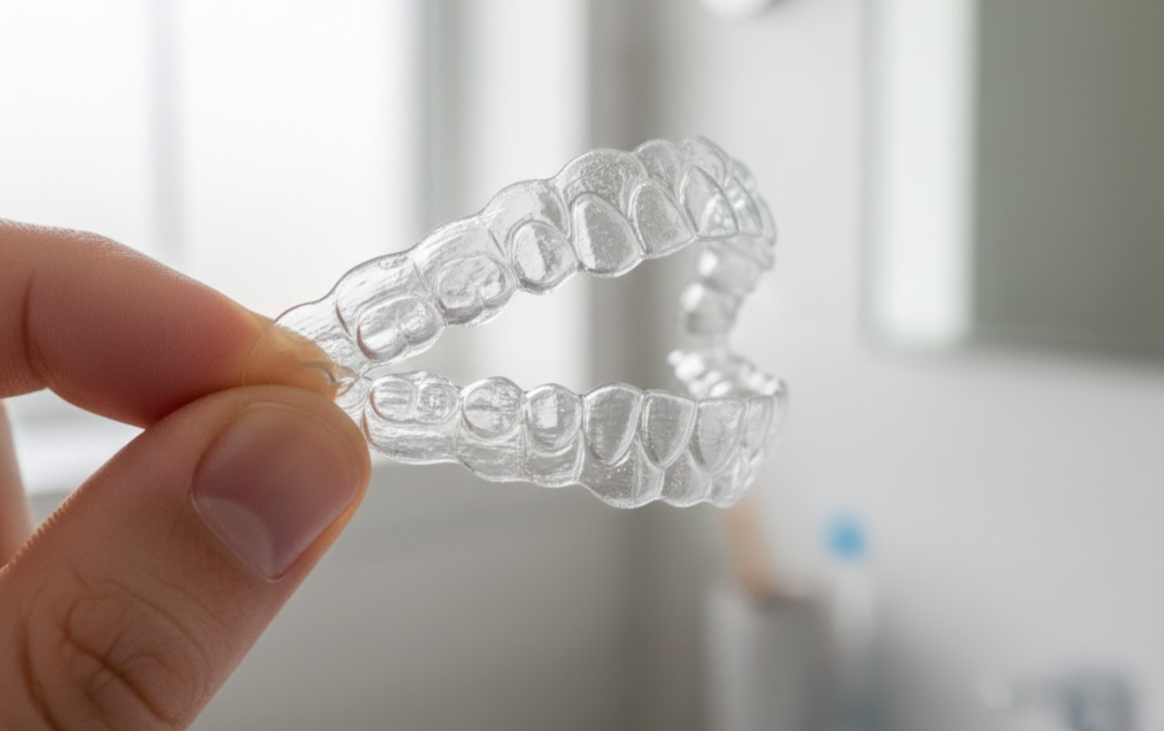
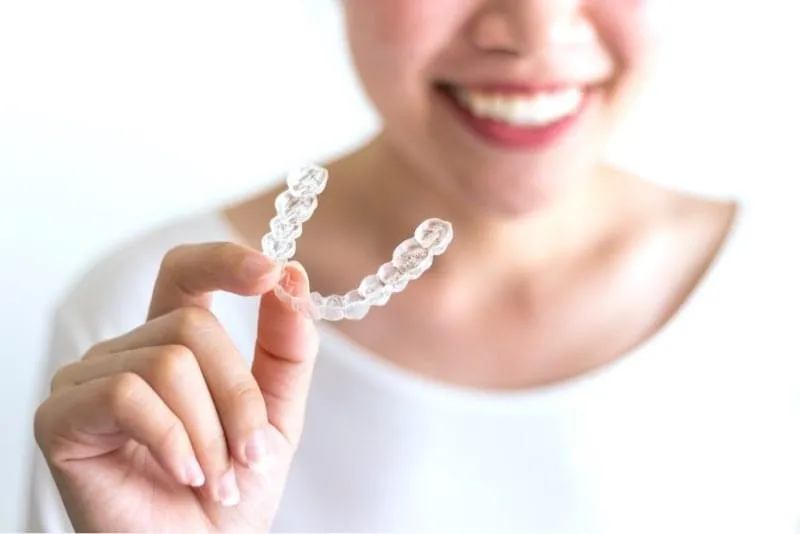
One of the most effective and patient-friendly treatment options for snoring and mild to moderate obstructive sleep apnea is the mandibular advancement device, commonly referred to as a dental sleep appliance or oral appliance. This custom-fitted device is worn in the mouth during sleep and works by gently repositioning the lower jaw slightly forward, which in turn advances the tongue and soft tissues of the throat and helps maintain a more open airway throughout the night.
The device is fabricated from impressions or digital scans of the patient’s teeth, ensuring a precise and comfortable fit that stays securely in place during sleep. Unlike continuous positive airway pressure machines, which are the most commonly prescribed medical treatment for obstructive sleep apnea, oral appliances are silent, compact, and require no mask, tubing, or electrical equipment. Many patients who struggle with compliance using a pressure machine find that an oral appliance is significantly easier to tolerate and use consistently.
The effectiveness of mandibular advancement devices for reducing snoring and managing mild to moderate sleep apnea is well-supported by clinical evidence. For patients with primary snoring without a sleep apnea diagnosis, oral appliance therapy frequently produces dramatic improvements in snoring severity, benefiting both the patient and their sleeping partner considerably.
It is important to note that the prescription of oral appliances for obstructive sleep apnea in the dental setting is carried out in coordination with the patient’s medical team. A formal diagnosis of sleep apnea requires a sleep study, which is a medical investigation. Dental providers play an important role in the management of confirmed sleep apnea through oral appliance fabrication and follow-up, but the diagnostic process falls within the scope of medicine rather than dentistry.
The Best Dentist in North York team at Global Dental Centre ensures that all snoring and sleep apnea treatment provided in the dental setting is handled within the appropriate professional and regulatory framework, prioritizing patient safety and well-being at every step. You can reach the clinic at Admin@globaldental.com or by calling (647) 492-1778 to discuss your concerns and learn more about how dental snoring treatment could help you. The clinic is located at 309 Sheppard Ave E, Suite 202, North York, ON M2N 3B3, conveniently accessible for patients throughout the Sheppard Avenue East community.
Lifestyle Factors That Can Complement Snoring Treatment
While dental appliance therapy is often the most direct and effective intervention for snoring, certain lifestyle modifications can complement the treatment and contribute to improved sleep quality and airway health.
Maintaining a healthy body weight reduces the amount of soft tissue surrounding the throat that contributes to airway narrowing during sleep. Even modest weight loss in patients who are overweight can produce noticeable improvements in snoring severity. Reducing or eliminating alcohol consumption in the hours before bedtime removes one of the most significant factors that relax the throat muscles and worsen snoring. Sleeping on the side rather than the back can help prevent the backward collapse of the tongue and soft palate that occurs more readily in the supine position.
Managing nasal congestion through appropriate treatment for allergies or other nasal conditions improves nasal breathing and reduces the tendency for mouth breathing during sleep, which is associated with more significant snoring. Establishing consistent sleep hygiene practices, including a regular sleep schedule and a calm pre-sleep routine, supports better overall sleep quality and can reduce the muscle fatigue that contributes to airway laxity during sleep.
Frequently Asked Questions (FAQs)
1. Can a dentist really help with snoring? Yes, dentists play an important and recognized role in the management of snoring and mild to moderate obstructive sleep apnea through the fabrication and fitting of custom oral appliances. These devices reposition the lower jaw during sleep to keep the airway more open and reduce the tissue vibration that causes snoring. Dental snoring treatment is well-supported by clinical evidence and is an established option within the broader management framework for sleep-related breathing concerns.
2. How do I know if my snoring is a sign of sleep apnea? Loud, regular snoring accompanied by symptoms such as gasping or choking sounds during sleep, waking up with a dry mouth or headache, feeling excessively tired despite what seems like a full night of sleep, difficulty concentrating during the day, or mood changes may suggest that sleep apnea is present alongside the snoring. A medical evaluation and formal sleep study are required to diagnose sleep apnea. Your dental provider can help identify whether a referral for investigation is appropriate based on your symptoms.
3. Is a dental sleep appliance comfortable to wear? Most patients find that a custom-fitted dental sleep appliance is comfortable to wear once they have had a brief adjustment period. Because the device is fabricated specifically to the patient’s dental anatomy, it fits precisely and securely without causing significant discomfort. Some initial awareness of the appliance and mild jaw muscle soreness in the first few days is normal and typically resolves as the body adapts to the new position. Regular follow-up appointments allow the dental team to make any adjustments needed to optimize comfort.
4. How long does it take to get a dental sleep appliance? After the initial consultation and impressions or scans, the appliance is custom-fabricated in a dental laboratory, which typically takes one to two weeks. At the fitting appointment, the appliance is assessed for fit and comfort, and any initial adjustments are made. Follow-up appointments are then scheduled to monitor the treatment response and make any refinements to the appliance settings over time.
5. Are dental sleep appliances covered by dental insurance? Coverage for dental sleep appliances varies depending on the insurance plan and whether the treatment is being provided for primary snoring or for diagnosed obstructive sleep apnea. Some dental insurance plans include coverage for oral appliance therapy, while others may cover it under medical rather than dental benefits. It is advisable to review your specific plan and speak with both your insurance provider and the dental clinic before proceeding to understand the coverage available to you.
Conclusion
Snoring is far more than a nightly annoyance. It is a genuine health and well-being concern that deserves thoughtful, professional attention. Whether you are dealing with primary snoring that is disrupting your sleep and your partner’s rest, or you have been told you may have sleep apnea and are looking for a comfortable and effective management option, dental snoring treatment offers a practical and well-supported path toward quieter, more restful nights. Global Dental Centre in North York provides dedicated snoring and sleep-related breathing assessments and oral appliance therapy to patients along Sheppard Avenue East, combining clinical expertise with a genuine commitment to each patient’s quality of life and overall health. If snoring has been affecting your sleep or your relationships, reaching out to their team is the first step toward meaningful and lasting relief. Contact them at Admin@globaldental.com or call (647) 492-1778, and visit them at 309 Sheppard Ave E, Suite 202, North York, ON M2N 3B3 to book your snoring treatment consultation today.