Missing teeth affect far more than just your appearance. They impact your ability to eat comfortably, speak clearly, and smile with confidence. Dental implants offer the most natural, long-lasting solution for tooth replacement, functioning and looking remarkably like your natural teeth. However, many people assume this gold-standard treatment is financially out of reach. The truth is that affordable dental implants are more accessible than you might think when you understand your options, know what factors influence pricing, and work with the right dental team.
Understanding how dental implant pricing works, what contributes to the overall investment, and which strategies can reduce costs without compromising quality empowers you to pursue the tooth replacement solution that will serve you best for decades to come.
Understanding Dental Implants and Their Value
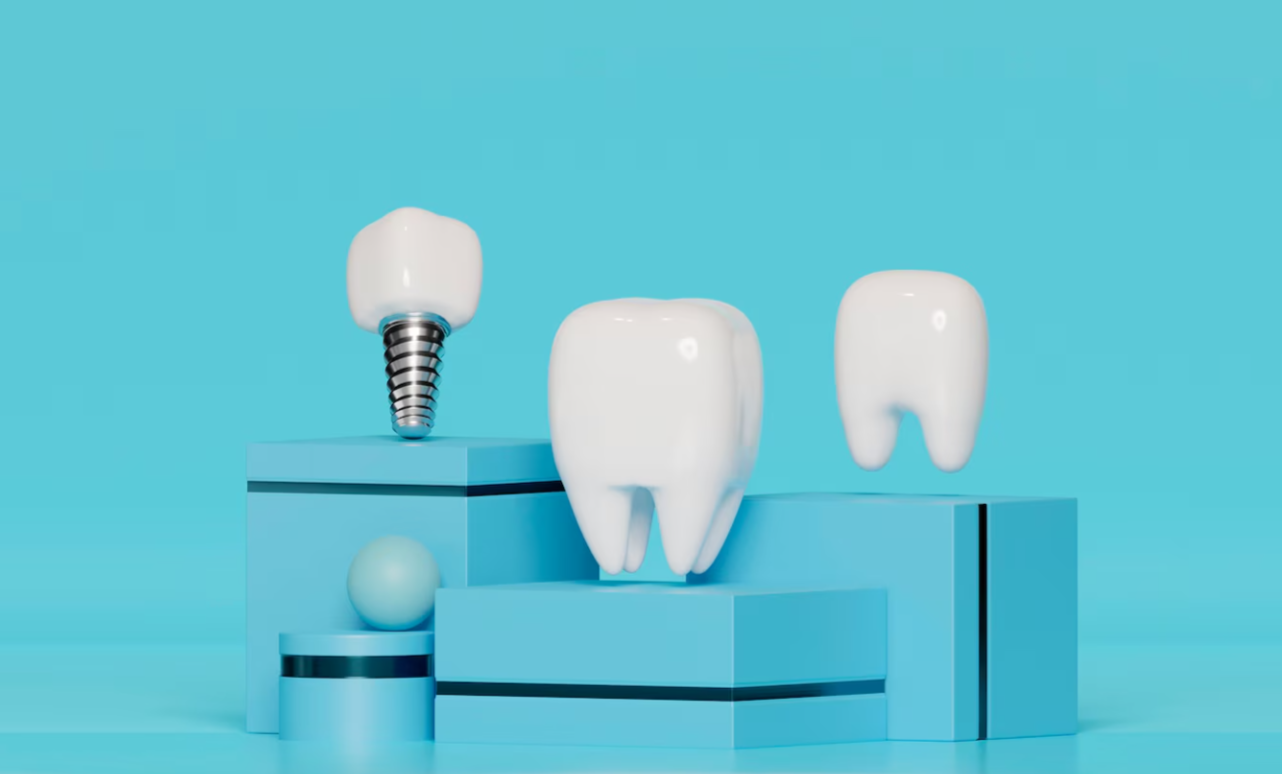
A dental implant consists of three main components: a titanium post surgically placed into your jawbone to serve as an artificial root, an abutment that connects to the post and extends above the gum line, and a crown that looks and functions like a natural tooth. This three-part system creates a permanent tooth replacement that integrates with your bone and can last a lifetime with proper care.
The biological integration between the titanium post and your jawbone, called osseointegration, sets implants apart from all other tooth replacement options. This fusion creates stability that allows you to bite and chew with nearly the same force as natural teeth. More importantly, it stimulates your jawbone the way natural tooth roots do, preventing the bone loss that occurs with other replacement options.
While bridges and dentures have served patients for generations, they don’t prevent bone resorption and typically require replacement every 10 to 15 years. Dental implants, by contrast, can last 25 years or longer, with many lasting a lifetime. When you calculate the long-term value rather than just initial investment, implants often prove more economical than alternatives that seem cheaper upfront.
For patients seeking quality Dental Care in North York, understanding this value proposition helps frame the investment in dental implants as a long-term health decision rather than a simple expense.
Factors That Influence Dental Implant Pricing
Several elements affect the total investment required for dental implant treatment. Understanding these factors helps you anticipate what your specific treatment might involve financially and where potential savings might exist.
The number of implants needed obviously impacts overall investment. Replacing a single tooth requires one implant, while full-arch replacement might use anywhere from four to eight or more implants depending on the chosen restoration approach. Multiple missing teeth don’t always require one implant per tooth, as strategic placement can support bridge restorations spanning several teeth.
Your bone quality and quantity significantly influence both treatment complexity and investment. Patients with adequate healthy bone can proceed directly to implant placement, while those with bone loss from extended tooth absence or periodontal disease might need bone grafting first. These preparatory procedures add to overall investment but are necessary for successful implant integration.
The location of the missing tooth matters as well. Front teeth require careful aesthetic attention to ensure the implant crown looks completely natural, sometimes necessitating additional procedures like soft tissue grafting to create ideal gum contours. Back teeth endure greater chewing forces and might require larger, stronger implants.
The type of restoration you choose affects pricing too. A single implant crown differs in complexity from an implant-supported bridge or implant-supported denture. All-on-4 or all-on-6 full-arch restorations involve comprehensive treatment planning and coordination but can be more economical per tooth than individual implants.
Geographic location and the specific dental practice influence pricing as well. Overhead costs vary by area, and different practices have different fee structures based on their expertise, technology, and service models. Working with an experienced Dentist in North York who offers transparent pricing helps you understand exactly what you’re paying for and why.
Insurance Coverage for Dental Implants
Dental insurance coverage for implants has improved significantly in recent years as insurers recognize their value as a medical necessity rather than purely cosmetic treatment. However, coverage varies widely between plans, making it essential to understand your specific benefits.
Many insurance plans now cover at least a portion of dental implant treatment. Coverage might apply to the crown portion while excluding the surgical implant placement, or it might provide a percentage of the total treatment cost. Some plans have annual maximum limits that affect how much they’ll pay toward implant treatment in a given year.
Medical insurance sometimes covers dental implants in specific situations, particularly when tooth loss resulted from accident, injury, or medical conditions like cancer treatment. If you lost teeth due to circumstances beyond normal dental disease, exploring medical insurance coverage is worthwhile.
Pre-authorization from your insurance company before beginning treatment clarifies exactly what they will cover, preventing surprise denials after treatment is complete. Your dental office can submit the necessary documentation and help you understand your out-of-pocket investment after insurance contributions.
For comprehensive information about Dental Implants in North York, experienced dental teams assist with insurance verification and help maximize your benefits to reduce your personal investment.
Financing Options and Payment Plans
Even after insurance coverage, the remaining balance for dental implant treatment can seem substantial. Fortunately, multiple financing options make treatment accessible without requiring full payment upfront.
Many dental practices offer in-house payment plans that allow you to spread the investment over several months or even years. These arrangements typically involve a down payment followed by manageable monthly installments. Interest rates vary, with some practices offering interest-free periods if you complete payments within a specified timeframe.
Third-party healthcare financing companies like Paybright, iFinance, or other Canadian financing options provide another avenue for making treatment affordable. These companies specialize in medical and dental financing, often offering promotional periods with reduced or no interest. Approval processes are usually straightforward, and you can often apply during your consultation appointment.
Credit cards with promotional interest rates might be an option for some patients, though it’s important to ensure you can pay the balance before promotional periods end to avoid high interest charges.
Some patients use lines of credit or home equity loans for major dental work, particularly when multiple implants are needed. These options typically offer lower interest rates than credit cards and can make large investments more manageable.
Health Spending Accounts and Tax Advantages
Health Spending Accounts (HSAs) through your employer offer tax-advantaged ways to pay for dental implants. Contributions to these accounts come from pre-tax income, effectively reducing your investment by your tax rate. If you have access to an HSA, maximizing contributions and timing your treatment accordingly can provide significant savings.
In Canada, dental implant expenses may qualify as medical expenses on your tax return. While you don’t receive the money back directly, claiming these expenses reduces your taxable income. Keep all receipts, invoices, and documentation related to your implant treatment for tax filing purposes. The savings might be substantial, particularly if you’re in a higher tax bracket or if you have other medical expenses to claim.
Strategies for Reducing Implant Investment
Several approaches can make dental implants more affordable without compromising quality or long-term results.
Addressing dental problems promptly prevents them from becoming more severe and expensive. If you’ve recently lost a tooth, pursuing implant treatment relatively soon prevents bone loss that would require grafting later. Early action is often more affordable than delayed treatment.
Choosing strategic implant placement can reduce the number needed. For example, if you’re missing several adjacent teeth, an implant-supported bridge using two or three implants to replace four or five teeth costs less than individual implants for each missing tooth while still providing excellent results.
All-on-4 or all-on-6 full-arch restorations replace all teeth in an arch using just four to six implants rather than eight to ten individual implants. This approach makes full-arch replacement more accessible while still providing excellent stability and function.
Considering treatment in phases allows you to spread the financial commitment over time. You might start with implants for your most visible or functionally important teeth, then add others as budget allows. While this extends the overall treatment timeline, it makes the investment more manageable.
Exploring dental school programs can provide savings, though treatment takes longer due to the educational nature of these settings. Dental students perform procedures under close supervision of experienced faculty, and the reduced fees make treatment more accessible for budget-conscious patients.
What’s Included in Implant Treatment Investment
Understanding exactly what’s included in quoted prices prevents surprise expenses and allows accurate comparison between providers.
Comprehensive dental implant treatment typically includes initial consultation and examination, diagnostic imaging such as X-rays or CT scans, surgical implant placement, the abutment connecting the implant to the crown, the custom crown itself, and follow-up appointments to monitor healing and ensure proper integration.
Some practices include all these components in their quoted price, while others charge separately for each phase. Ask for a detailed breakdown showing what’s included and what might involve additional charges. This transparency helps you budget accurately and compare offerings between dental practices fairly.
The Importance of Quality Over Price Alone
While finding affordable dental implants is important, prioritizing the lowest price above all other considerations can be counterproductive. Dental implants represent a long-term investment in your oral health, and cutting corners on quality can lead to complications, failures, and ultimately higher expenses.
Provider experience matters significantly. Dentists who have placed hundreds or thousands of implants develop expertise that increases success rates and reduces complications. While experienced providers might charge more, their skill often results in better outcomes and fewer problems that would require additional treatment.
Quality materials make a difference too. Reputable implant manufacturers invest heavily in research, testing, and quality control. Their products have documented success rates and long-term performance data. Lesser-known or generic implants might cost less initially but lack the proven track record that provides confidence in long-term results.
Advanced technology improves treatment precision and outcomes. Practices using 3D imaging for treatment planning, surgical guides for precise implant placement, and digital impressions for creating restorations often achieve better results. While this technology represents an investment for the practice that affects pricing, it also enhances the likelihood of successful treatment.
Alternative Treatment Options to Consider
If dental implant investment exceeds your current budget even with financing, understanding alternative tooth replacement options helps you make the best decision for your circumstances.
Dental bridges use adjacent teeth as anchors to support a false tooth in the gap. They’re fixed in place, function reasonably well, and typically cost less than implants initially. However, they require modifying healthy adjacent teeth and don’t prevent bone loss. Bridges generally last 10 to 15 years before requiring replacement.
Removable partial dentures replace one or several missing teeth using a prosthetic appliance that clips onto remaining teeth. They’re the most economical option initially but require periodic adjustment and replacement. Many people find them less comfortable and stable than fixed options.
For those missing all teeth in an arch, implant-supported dentures offer a middle ground between traditional dentures and individual implant crowns. Using just a few strategically placed implants to support a denture provides dramatically better stability than traditional dentures at a fraction of the investment required for individual implants for every tooth.
Working with the Best Dentist in North York ensures you receive honest guidance about which option provides the best value for your specific situation, balancing your budget constraints with long-term oral health considerations.
Questions to Ask During Your Consultation
Your initial implant consultation provides the opportunity to understand the full financial picture and ensure you’re making an informed decision.
Ask for a detailed breakdown of the total investment including all phases of treatment. What does the quoted price include? Are there potential additional costs for complications or extended treatment?
Inquire about the specific implant system being used. What brand is it? What is the success rate and track record of this particular system? Why did the practice choose this manufacturer?
Understand what happens if complications arise. Does the practice offer any warranty or guarantee on their work? What’s covered if the implant doesn’t integrate properly?
Explore all payment options available. What in-house financing does the practice offer? Which third-party financing companies do they work with? What are the terms and interest rates for these options?
Ask about the dentist’s experience with implants specifically. How many have they placed? What is their success rate? Can they show before-and-after photos of previous patients?
Making an Informed Decision
Choosing to proceed with dental implants involves weighing the investment against the long-term benefits and alternatives. Consider not just the immediate financial commitment but the decades of function and stability implants provide.
Calculate the true long-term cost of alternatives. A bridge might cost less initially but will likely need replacement at least once or twice over your lifetime. Multiple denture adjustments and replacements add up over the years. When viewed over a 25 or 30-year period, implants often prove more economical.
Consider the quality-of-life improvements implants provide. The ability to eat any food confidently, speak without worry, and smile without self-consciousness affects your daily life in meaningful ways. While these benefits are harder to quantify financially, they represent real value that extends far beyond the treatment period.
Think about bone preservation. Implants are the only tooth replacement option that prevents jawbone deterioration. The facial changes that accompany bone loss can age your appearance significantly. Preserving bone structure maintains your facial contours and can prevent the need for more extensive and expensive procedures later.
Frequently Asked Questions
What is the typical investment range for a single dental implant?
The investment for a single dental implant in Canada varies based on location, provider experience, and case complexity. It typically includes the surgical placement, abutment, and crown. Additional procedures like bone grafting or sinus lifts increase the total investment. Your specific treatment plan depends on your individual needs, so getting a personalized consultation provides the most accurate information for your situation.
Does dental insurance cover implants?
Many dental insurance plans now provide at least partial coverage for dental implants. Coverage varies widely between plans, with some covering a percentage of the total treatment and others covering only specific components like the crown. Some plans have annual maximum limits that affect how much they’ll contribute in a given year. Verifying your specific benefits before treatment helps you understand your out-of-pocket investment accurately.
Can I finance dental implant treatment?
Yes, multiple financing options make dental implants accessible even if you cannot pay the full amount upfront. Many dental practices offer in-house payment plans with monthly installments. Third-party healthcare financing companies provide additional options, often with promotional interest-free periods. Health Spending Accounts allow you to use pre-tax dollars for treatment. Your dental office can explain all available options and help you find a payment solution that fits your budget.
How long do dental implants last?
Dental implants can last 25 years or longer, with many lasting a lifetime when properly cared for. The titanium implant post itself rarely needs replacement once successfully integrated. The crown attached to the implant may eventually require replacement due to normal wear, typically after 15 to 20 years. This longevity makes implants an excellent long-term value despite higher initial investment compared to alternatives that need replacement every 10 to 15 years.
Are there more affordable alternatives to traditional dental implants?
Mini dental implants offer a smaller-diameter alternative that can be less expensive and less invasive for certain situations, though they’re not appropriate for all cases. Implant-supported dentures use fewer implants to support a full arch of teeth, making full-mouth restoration more affordable than individual implants for every tooth. For single teeth, bridges or partial dentures cost less initially but don’t provide the same longevity or bone preservation benefits. Your dentist can explain which options are appropriate for your specific needs.
Conclusion
Affordable dental implants are within reach when you understand your options, maximize insurance benefits, explore financing solutions, and choose a provider who offers transparent pricing and quality care. While dental implants require investment, their durability, functionality, and bone-preserving benefits make them an excellent long-term value that often proves more economical than alternatives when viewed over decades rather than just the initial treatment period. The key is finding an experienced provider who combines expertise with a commitment to making treatment accessible.
Global Dental Centre, recognized as one of the best dental clinics in North York, provides comprehensive dental implant services with a focus on quality outcomes and patient-centered care. The experienced team understands that financial considerations are an important part of treatment decisions, and they work with patients to develop solutions that make implant treatment accessible. From verifying insurance benefits to explaining all available payment options, you’ll receive the support needed to make informed decisions about your oral health.
Located at 309 Sheppard Ave E Suite 202, North York, ON M2N 3B3, Global Dental Centre combines advanced implant expertise with compassionate care. If you’re ready to explore how affordable dental implants can restore your smile and confidence, contact the clinic at (647) 492-1778 or email Admin@globaldental.com to schedule your consultation. Your journey to permanent, natural-looking tooth replacement begins with understanding your options and taking that important first step toward treatment.