Straightening your teeth is one of the most meaningful investments you can make in your oral health and your confidence. A well-aligned bite reduces the risk of uneven wear, makes teeth easier to clean, and can improve jaw comfort significantly. But when it comes to choosing how to achieve that alignment, patients in North York today have more options than ever before, and the most common choice comes down to Invisalign clear aligners versus traditional braces. Both are proven, effective orthodontic solutions, and neither is universally superior to the other. The right choice depends on your specific clinical situation, your lifestyle, your age, and your personal priorities. For patients looking for a trusted starting point for this decision, Global Dental Centre is one of the leading dental clinics in North York, offering comprehensive orthodontic consultations that give patients an honest, thorough, and personalized assessment of which approach is best suited to their needs.
Understanding the real differences between Invisalign and traditional braces goes beyond the obvious visual distinction of clear trays versus metal brackets and wires. The two systems work through different mechanisms, have different maintenance requirements, and are better suited to different types of orthodontic cases. A knowledgeable Dentist in North York will assess your bite, your tooth positions, the complexity of the movements required, and your personal preferences before making a recommendation that genuinely serves your long-term oral health goals.
How Invisalign Works
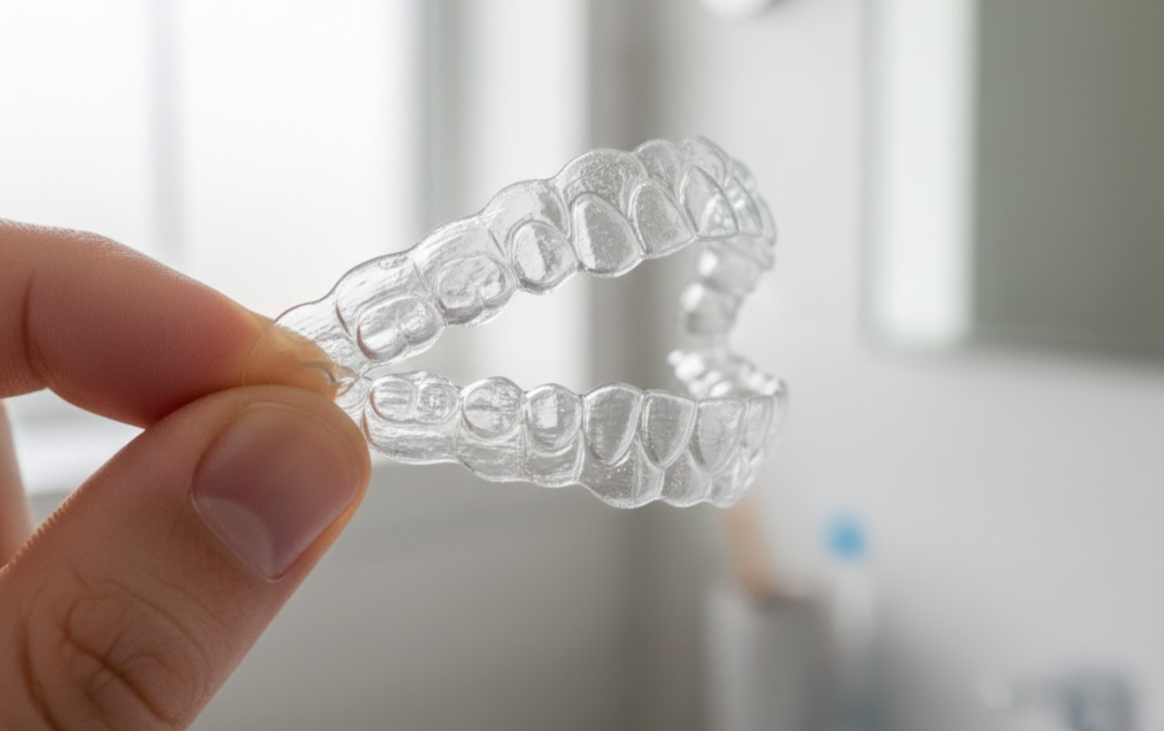
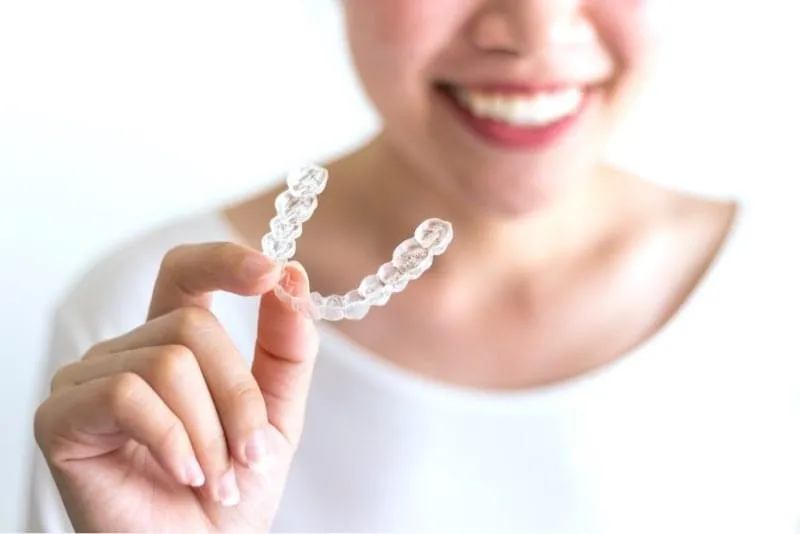
Invisalign uses a series of custom-fabricated clear plastic aligners, each slightly different from the last, to move teeth gradually toward their planned final positions. The aligners are made from a smooth, BPA-free thermoplastic material and are designed to fit snugly over the teeth. Each set of aligners is worn for approximately one to two weeks before being replaced by the next set in the series.
The treatment plan is designed digitally using three-dimensional imaging software that maps out the precise movements needed for each tooth and generates a simulation of the progression from the current tooth positions to the final result. Small tooth-colored attachments called buttons are sometimes bonded to certain teeth to give the aligners additional grip for more complex movements. Aligners are removed for eating, drinking anything other than plain water, and oral hygiene, making home care more straightforward than with fixed appliances.
The most important behavioral requirement of Invisalign is consistent wear time. Aligners must be worn for twenty to twenty-two hours per day to achieve the planned tooth movement on schedule. Patients who remove their aligners more frequently than this risk disrupting the treatment timeline and compromising the precision of the outcome.
Patients interested in exploring this option can visit the Dental Invisalign in North York page at Global Dental Centre for detailed information on the treatment process, candidacy, and what to expect at each stage.
How Traditional Braces Work
Traditional braces consist of metal or ceramic brackets bonded to the front surfaces of the teeth, connected by a series of wires and elastic bands that apply controlled pressure to guide teeth into alignment. The orthodontist or dentist adjusts the tension in the wires at periodic appointments throughout treatment to progressively move the teeth toward their target positions.
Unlike Invisalign, braces are fixed in place for the duration of treatment and cannot be removed by the patient. This is both an advantage and a consideration. It means that compliance is not a variable, as the braces work continuously regardless of patient behavior. It also means that oral hygiene requires more effort, as brushing and flossing around brackets and wires demands additional care and specialized tools to be effective.
Traditional braces are capable of addressing a very wide range of orthodontic conditions, including complex bite corrections, severe crowding, and significant misalignment that may exceed the current capabilities of aligner therapy in certain clinical situations. For patients with more involved orthodontic needs, braces may offer a more comprehensive solution.
Key Differences That Affect Your Decision
When comparing Invisalign and braces side by side, several practical differences emerge that matter in day-to-day life.
Appearance is the most obvious distinction. Invisalign aligners are nearly invisible when worn, making them significantly more discreet than metal brackets and wires. Ceramic braces offer a less visible alternative to metal, but they are still more noticeable than clear aligners. For adult patients and teenagers who are conscious of the appearance of orthodontic treatment during their professional or social lives, this is often a decisive factor.
Comfort is another meaningful difference. Invisalign aligners are made from smooth plastic with no sharp edges, which generally causes less irritation to the inside of the cheeks and lips than the brackets and wires of traditional braces. The pressure from new aligners can cause mild soreness for a day or two after each new set is inserted, but this is typically less intense than the soreness that follows wire tightening appointments with braces.
Oral hygiene during treatment is considerably easier with Invisalign because the aligners are removed for brushing and flossing, allowing patients to clean their teeth as they normally would. With braces, food can become trapped around brackets and wires, and thorough cleaning requires the use of interdental brushes, floss threaders, or water flossers at every brushing session.
Patients accessing Dental Care in North York at Global Dental Centre receive a detailed comparison of both options during their orthodontic consultation, ensuring that the treatment recommendation is based on a thorough understanding of the patient’s specific clinical needs and personal priorities rather than a one-size-fits-all approach.
Which Option Treats More Conditions?
Traditional braces have historically been capable of treating a broader range of orthodontic conditions than Invisalign, particularly for complex cases involving significant bite correction, severe rotation of teeth, or large vertical tooth movements. This remains true for the most involved cases, where the three-dimensional control available through fixed appliances provides advantages that aligner therapy has not yet fully replicated.
However, Invisalign technology has advanced considerably over the past decade, and the range of conditions that can be effectively treated with aligners has expanded significantly. Mild to moderate crowding, spacing, overbite, underbite, crossbite, and open bite cases are now routinely and successfully treated with Invisalign. For many patients who fall into the mild to moderate complexity range, the clinical outcomes achievable with Invisalign are comparable to those achieved with braces.
The Best Dentist in North York will be straightforward with you about whether your specific case is well-suited to Invisalign or whether traditional braces would provide a more reliable outcome. This honest assessment is the foundation of ethical orthodontic care, and it is the standard that Global Dental Centre upholds in every consultation.
Treatment Duration and Cost Considerations
The length of orthodontic treatment varies depending on the complexity of the case and the system being used. Mild cases with either Invisalign or braces may be completed in as few as six to twelve months. More complex cases can take eighteen months to two or more years. In general, treatment timelines for comparable cases are similar between the two options, though individual variation is significant.
From a financial perspective, both options represent a meaningful investment in your oral health. The specific costs associated with each treatment vary depending on the complexity of the case and the clinic. Under the standards set by the Royal College of Dental Surgeons of Ontario, patients are entitled to receive a clear treatment plan with full fee disclosure before consenting to any dental procedure. A reputable clinic will always provide this information transparently so patients can make informed financial decisions alongside their clinical ones.
Frequently Asked Questions (FAQ)
1. Can adults get Invisalign or braces in North York? Yes. Both Invisalign and traditional braces are suitable for adult patients. In fact, adult orthodontic treatment has grown significantly in recent years, and many adults choose Invisalign specifically because of its discreet appearance during the treatment process. There is no upper age limit for orthodontic treatment, and a thorough consultation will determine which option is most appropriate based on your specific dental situation.
2. Does Invisalign hurt more or less than braces? Both systems involve some degree of temporary pressure and mild soreness when new aligners are inserted or when braces are adjusted, as this is the physical sensation of teeth beginning to move. Most patients find that Invisalign produces milder and shorter-lived discomfort than braces, largely because aligner pressure is more gradual and the smooth plastic does not irritate the soft tissues of the mouth the way brackets and wires can.
3. What happens after orthodontic treatment is complete? After both Invisalign and braces, a retention phase is required to maintain the results. Retainers are worn to prevent teeth from drifting back toward their original positions, a natural tendency called relapse. For Invisalign patients, a retainer is typically worn full-time initially and then transitioned to nighttime wear only. Your dental team will provide specific retention instructions based on your case.
4. Is Invisalign suitable for teenagers? Yes. Invisalign offers a specific product designed for teenage patients that includes compliance indicators and additional aligners to account for the occasional lost or damaged tray. Teenager suitability is assessed on a case-by-case basis, taking into account the stage of dental development and the patient’s commitment to consistent aligner wear. Your dental team will discuss whether Invisalign Teen is an appropriate option during the consultation.
5. How do I know which orthodontic treatment is right for me? The most reliable way to determine the best orthodontic option for your situation is to schedule a comprehensive consultation with a qualified dental professional. During this appointment, your teeth, bite, and jaw will be examined, digital imaging will be reviewed, and your treatment goals will be discussed. Based on this thorough assessment, your dental team will present you with the options most appropriate for your clinical needs and answer all of your questions before you make any decisions.
Conclusion
Both Invisalign and traditional braces are effective, well-established orthodontic solutions that can produce excellent results when matched appropriately to the patient’s clinical situation. Invisalign offers superior aesthetics, easier oral hygiene maintenance, and comparable outcomes for mild to moderate cases. Traditional braces provide greater clinical versatility for complex cases and remove the compliance variable from the treatment equation. The right choice is ultimately the one that best fits your specific bite, your lifestyle, and the clinical recommendations of your dental team.
Global Dental Centre, located at 309 Sheppard Ave E, Suite 202, North York, ON M2N 3B3, is a trusted provider of Invisalign and comprehensive dental care for patients throughout the North York community. Their team brings a thorough, patient-centered approach to every orthodontic consultation, helping patients understand their options and make decisions that serve their long-term oral health. To book your consultation or ask about Invisalign, call (647) 492-1778 or email Admin@globaldental.com and take the first step toward the straighter, healthier smile you deserve.