A straight, well-aligned smile is about far more than aesthetics. The position of your teeth affects how you bite and chew, how effectively you can clean your teeth at home, the long-term health of your gums and supporting bone, and how confidently you present yourself in everyday life. Orthodontic treatment addresses misalignment at its root, creating lasting improvements that benefit oral health and quality of life simultaneously. For patients along Sheppard Avenue East in North York, accessing skilled and attentive orthodontic care close to home makes the journey to a straighter smile more convenient and comfortable than ever before.
Global Dental Centre is recognized as one of the best dental clinics in North York, offering orthodontic assessment and treatment as part of a comprehensive range of dental services designed to support patients at every stage of their oral health journey. Their experienced team takes a thorough and genuinely patient-centred approach to orthodontic care, ensuring that every treatment plan is carefully tailored to the individual’s clinical needs and personal goals. For anyone searching for a trusted Dentist in North York who provides orthodontic services with clinical precision and a warm, supportive patient experience, Global Dental Centre is a standout choice along the Sheppard Avenue East corridor.
Why Orthodontic Treatment Matters Beyond Aesthetics
Many patients first seek orthodontic consultation because they are unhappy with the appearance of their smile. This is a completely valid and understandable motivation. However, the clinical benefits of orthodontic treatment extend well beyond aesthetics and are worth understanding in full before beginning the treatment journey.
Teeth that are crowded, rotated, or overlapping are significantly harder to clean effectively than teeth that are properly aligned. The overlapping surfaces create areas where the toothbrush and floss cannot reach adequately, allowing plaque to accumulate and increasing the long-term risk of cavities and gum disease. Correcting these alignment issues through orthodontic treatment makes home oral hygiene far more effective and reduces the risk of developing preventable dental problems over time.
Bite problems, including overbite, underbite, crossbite, and open bite, place uneven forces on individual teeth and the jaw joints during chewing and at rest. Over time, these uneven forces can cause accelerated wear on specific teeth, contribute to temporomandibular joint dysfunction, and, in some cases, cause jaw discomfort and headaches. Orthodontic treatment that corrects the bite distributes chewing forces more evenly, protecting the teeth and supporting structures from the cumulative effects of imbalanced loading.
For patients throughout North York looking for accessible and thorough Dental Care in North York that includes a comprehensive orthodontic assessment, Global Dental Centre provides the clinical depth and individualized attention that effective orthodontic treatment requires.
Common Orthodontic Concerns and Who Orthodontic Treatment Can Help
Orthodontic treatment is appropriate for a broad range of patients spanning childhood, adolescence, and adulthood. The specific concerns that can be addressed through orthodontic care include crowded teeth where there is insufficient space in the jaw for the teeth to sit in their correct positions, widely spaced teeth with noticeable gaps between them, protruding upper front teeth, deep overbite where the upper front teeth excessively overlap the lower front teeth, underbite where the lower teeth sit in front of the upper teeth when biting, crossbite where some upper teeth sit inside the lower teeth, and open bite where the upper and lower front teeth do not make contact.
Many adults who believe they missed their window for orthodontic treatment are pleasantly surprised to learn that effective treatment is available and appropriate at any age. While some complex cases involving jaw development may have an optimal treatment window during childhood or early adolescence, the majority of orthodontic concerns can be successfully addressed in adults as well. The main difference with adult orthodontics is that growth cannot be used as part of the treatment strategy, but tooth movement itself is achievable throughout adult life with well-designed treatment.
Patients exploring Orthodontic Treatment in North York at Global Dental Centre will find that the team conducts a thorough clinical assessment that considers the full picture of the patient’s dental health and bite relationship before making any treatment recommendation, ensuring that the proposed plan is genuinely appropriate for the individual’s clinical situation.
Orthodontic Treatment Options: Braces and Clear Aligners
The two primary approaches to orthodontic treatment available to patients today are traditional braces and clear aligner therapy. Each has distinct advantages, and the most appropriate choice depends on the complexity of the case, the patient’s lifestyle and preferences, and the specific tooth movements required to achieve the treatment goals.
Traditional metal braces consist of brackets bonded to the teeth and connected by archwires that are periodically adjusted to apply controlled forces that gradually move the teeth into alignment. Braces are fixed appliances, meaning they remain on the teeth throughout the entire treatment period and cannot be removed by the patient. This fixed nature means that compliance is not a variable in achieving results, which can be advantageous for complex cases or for younger patients.
Modern braces are considerably smaller, more comfortable, and more aesthetically refined than those of previous generations. Ceramic or tooth-coloured brackets are also available for patients who prioritize a less visible appearance while still benefiting from the precision of fixed appliance therapy. Braces remain the gold standard for highly complex orthodontic cases where the degree of control required exceeds what removable aligners can provide.
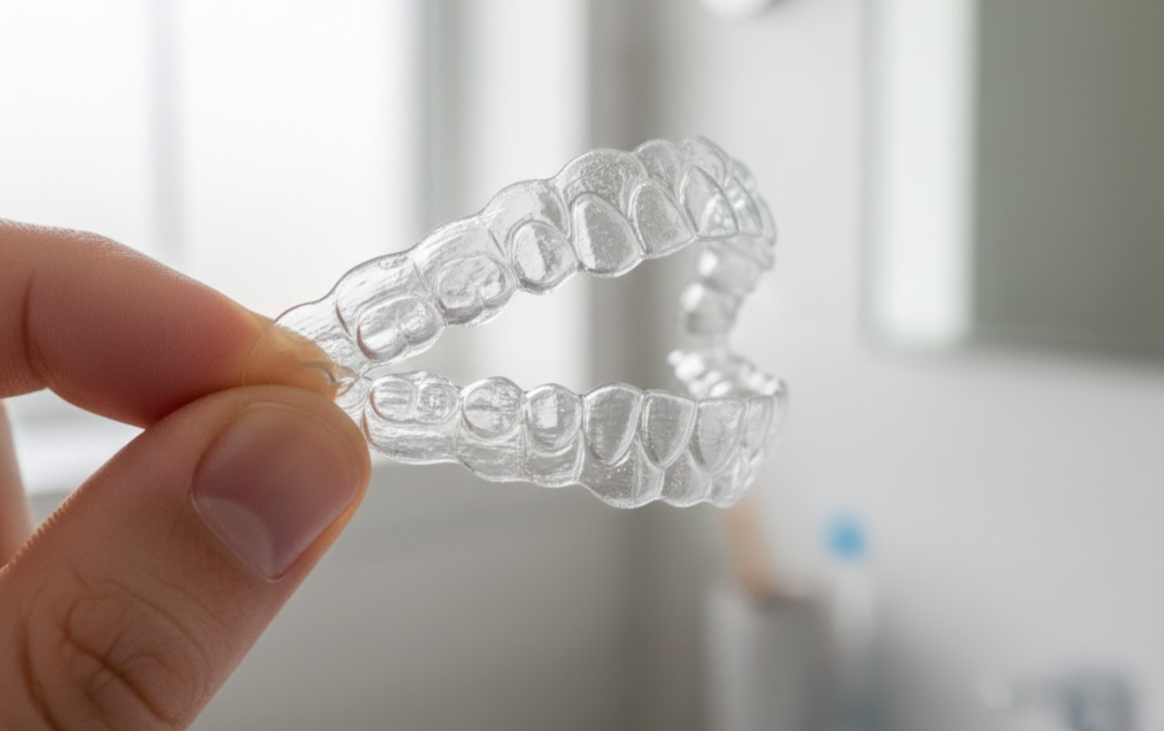
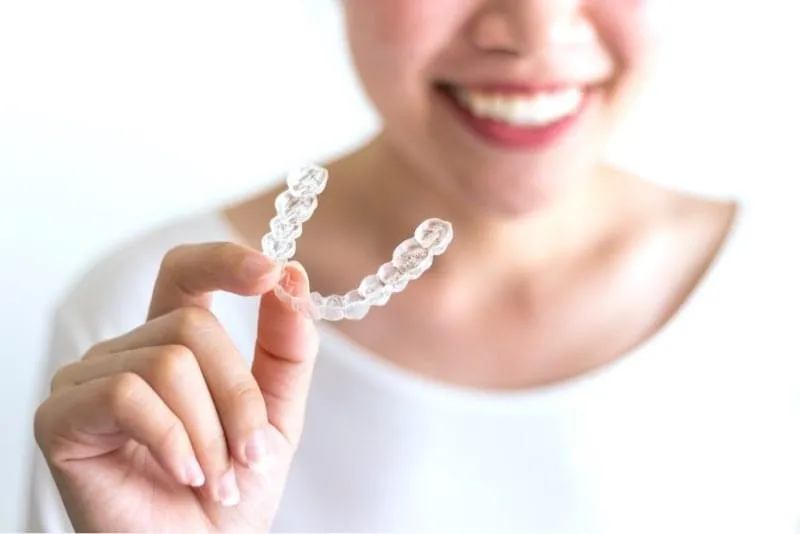
Clear aligner therapy uses a series of custom-fabricated transparent trays that are worn over the teeth and changed progressively to achieve gradual tooth movement. The aligners are removable, which means patients can eat and drink without restrictions and maintain their normal oral hygiene routine without the need for special tools. Because they are nearly invisible when worn, clear aligners are particularly popular among adult patients and older teenagers who want to straighten their teeth discreetly.
The effectiveness of clear aligner therapy has expanded considerably with advances in aligner design and digital treatment planning technology. Many cases that were previously considered beyond the scope of aligner treatment can now be successfully managed with this approach. A thorough assessment is the most reliable way to determine which option is best suited to any given patient’s clinical situation and lifestyle.
The Best Dentist in North York team at Global Dental Centre provides comprehensive orthodontic consultations that walk patients through both options, explain the clinical rationale behind any recommendation, and ensure each patient understands what their chosen treatment path will involve from start to finish. You can reach the clinic at Admin@globaldental.com or by calling (647) 492-1778 to book your orthodontic consultation. The clinic is located at 309 Sheppard Ave E, Suite 202, North York, ON M2N 3B3, conveniently accessible for patients throughout the Sheppard Avenue East community.
The Orthodontic Treatment Journey: What to Expect
Understanding what the orthodontic treatment journey involves, from the initial consultation to the final retainer fitting, helps patients plan ahead and approach the process with realistic expectations and genuine confidence.
The process begins with a comprehensive assessment that includes clinical examination, photographs, dental X-rays, and in some cases, additional diagnostic records such as study models or cone beam computed tomography imaging. This assessment gives the dental team the detailed information needed to diagnose the existing alignment concerns accurately and plan the treatment in precise detail.
Once the treatment plan is agreed upon and the chosen appliance is ready, the active treatment phase begins. For braces, this involves the bonding of brackets followed by periodic adjustment appointments, typically scheduled every four to eight weeks. For clear aligners, a series of trays is provided, with each set worn for the specified period before progressing to the next, and check-in appointments are scheduled to monitor progress.
Throughout treatment, patients are guided on how to care for their teeth and appliances, what to expect at each stage, and how to manage any minor discomfort that is a normal part of the tooth movement process. Open communication with the dental team throughout the treatment period helps address any concerns promptly and ensures that the treatment progresses as planned.
The completion of active treatment is followed by the retention phase, during which retainers are worn to hold the teeth in their corrected positions while the surrounding bone and tissue stabilize. Retainer wear is a lifelong commitment, though the frequency of wear typically decreases over time as directed by the dental provider. Consistent retainer use is one of the most important factors in maintaining the results of orthodontic treatment over the long term.
Frequently Asked Questions (FAQs)
1. At what age should a child first be assessed for orthodontic treatment? Many dental organizations recommend that children have an initial orthodontic assessment around the age of seven, when enough permanent teeth have come in to allow the dental team to identify any developing concerns with bite and alignment. This early assessment does not necessarily mean treatment will begin immediately. In many cases, the team will monitor development and recommend treatment when the timing is most clinically appropriate, which is often in the early teenage years.
2. How long does orthodontic treatment typically take? The duration of orthodontic treatment varies considerably depending on the complexity of the case, the degree of tooth movement required, the type of appliance used, and the patient’s compliance with wearing the appliance as directed. Minor corrections may be achievable in as little as six months, while more complex cases may require eighteen months to two years or longer. Your dental provider will give you a realistic estimate following the initial assessment.
3. Does orthodontic treatment hurt? Orthodontic appliances apply gentle, controlled forces to the teeth to produce gradual movement, and some degree of pressure or soreness following each adjustment or aligner change is normal. This discomfort typically peaks in the first day or two and then subsides. Over-the-counter pain relief, as directed, can help manage any soreness during this initial adjustment period. Most patients find that the level of discomfort associated with orthodontic treatment is very manageable.
4. Will I need to have teeth extracted for orthodontic treatment? Tooth extraction for orthodontic purposes is not a routine requirement but may be recommended in cases where the jaw does not have sufficient space to accommodate all the teeth in their correct positions after tooth movement. The decision to extract teeth as part of an orthodontic plan is made carefully following a thorough assessment of the jaw dimensions, tooth sizes, and the specific movements required. Your dental provider will explain the reasoning behind any extraction recommendation clearly.
5. How important is it to wear a retainer after orthodontic treatment? Retainer wear after orthodontic treatment is extremely important and should be considered a permanent commitment. Teeth have a natural tendency to drift back toward their original positions following orthodontic treatment, a phenomenon known as relapse. Consistent retainer use prevents this relapse and protects the results achieved through the active phase of treatment. Your dental provider will advise on the recommended retainer schedule, which typically involves more frequent wear initially and decreases gradually over time.
Conclusion
Orthodontic treatment along Sheppard Avenue East gives North York patients access to a proven and effective path toward straighter, healthier, and more confident smiles at any age. Whether you are exploring treatment options for your child, reconsidering an alignment concern you have lived with for years as an adult, or addressing a bite problem that has been affecting your oral health, the right orthodontic team makes all the difference in the experience and the outcome. Global Dental Centre in North York provides thorough, personalized, and genuinely supportive orthodontic care that helps patients achieve their smile goals with confidence and clarity. Their experienced team is ready to guide you through every stage of the orthodontic journey from the initial assessment to long-term retention. Contact them at Admin@globaldental.com or call (647) 492-1778, and visit them at 309 Sheppard Ave E, Suite 202, North York, ON M2N 3B3 to book your orthodontic consultation today.