A damaged or decayed tooth does not have to mean permanent loss of function or confidence. Modern dental restorations have advanced to the point where teeth that are significantly compromised by decay, fracture, wear, or previous dental work can be rebuilt to look, feel, and function very much like healthy natural teeth. Whether the concern is a single cavity caught early or a more extensive restoration needed to address years of damage, the range of restorative options available today means that most patients can achieve results that are both clinically sound and aesthetically pleasing. For patients along Sheppard Avenue East in North York, access to high-quality dental restorations close to home makes addressing these concerns straightforward and accessible.
Global Dental Centre is recognised as one of the best dental clinics in North York, offering a comprehensive range of dental restoration services designed to address damage and disease at every level of severity. Their experienced and attentive team combines clinical precision with a genuine commitment to natural-looking results, ensuring that every restoration is crafted and placed with the care and skill it deserves. For anyone searching for a trusted Dentist in North York who provides dental restorations with both technical excellence and a patient-centred approach, Global Dental Centre stands out as a leading choice along Sheppard Avenue East.
What Are Dental Restorations?
Dental restorations refer to the broad category of dental treatments used to repair or replace damaged, decayed, or missing tooth structure. The goal of any restoration is to return the affected tooth to its proper form, function, and, in most cases, its natural appearance, while also protecting it from further damage and decay.
Restorations can be categorised as either direct or indirect. Direct restorations are placed in a single appointment, with the restorative material applied and shaped directly in the mouth. Indirect restorations are custom-fabricated outside the mouth, typically in a dental laboratory, and then bonded or cemented into place at a subsequent appointment. Both types serve important purposes, and the choice between them depends on the extent of the damage, the location of the tooth, and the clinical goals of the treatment.
The importance of timely restorative treatment cannot be overstated. A tooth that has been compromised by decay or damage that is left untreated will typically worsen over time. What could have been addressed with a simple filling may eventually require a crown, and a tooth that needed a crown may eventually require extraction if treatment is delayed too long. Early intervention keeps restorative treatment simpler, more affordable, and more predictably successful.
For patients in the area seeking reliable Dental Care in North York that addresses restorative needs promptly and thoroughly, Global Dental Centre provides a comprehensive assessment process that identifies concerns early and develops treatment plans that prioritise the long-term health and integrity of every tooth.
Common Types of Dental Restorations
Fillings
Dental fillings are the most frequently performed restorative treatment and are used to repair teeth that have been damaged by cavities. The decayed portion of the tooth is removed, and the resulting space is filled with a restorative material to restore the tooth’s shape and prevent further decay from developing in the affected area.
Tooth-coloured composite resin fillings are the most commonly chosen option today, as they blend naturally with the surrounding tooth structure and require less removal of healthy tooth tissue than older alternatives. They bond directly to the tooth, providing both structural support and an aesthetically seamless result that is virtually undetectable in normal conversation or when smiling.
Dental Crowns
A dental crown is a cap that covers the entire visible portion of a tooth above the gumline, restoring its shape, size, strength, and appearance. Crowns are recommended when a tooth has been significantly weakened by extensive decay, a large filling that needs replacement, a crack or fracture, or following root canal treatment when the remaining tooth structure needs protection.
Modern crowns are most commonly made from porcelain, ceramic, or a combination of porcelain and metal, and are fabricated to match the colour and shape of the surrounding natural teeth as closely as possible. A well-placed crown is designed to be durable, functional, and natural-looking, allowing the patient to eat, speak, and smile with confidence.
Inlays and Onlays
Inlays and onlays are indirect restorations used for teeth where the damage or decay is too extensive for a simple filling but does not require the full coverage of a crown. An inlay fits within the cusps of the tooth, while an onlay extends over one or more of the cusps to cover a larger area. Both are custom-fabricated in a dental laboratory to fit the tooth precisely and are then bonded into place.
Inlays and onlays are often made from porcelain or composite resin and offer excellent strength and aesthetics. They are a conservative and highly effective option for restoring back teeth that have sustained moderate damage, and because they are custom-fitted, they provide a precise seal against future decay.
Root Canal Treatment and Crown Restoration
When decay or damage reaches the inner pulp of the tooth, root canal treatment is required to remove the infected or inflamed tissue, clean and shape the root canals, and seal the tooth to prevent reinfection. Following root canal treatment, the tooth is typically restored with a crown to protect the remaining structure and restore full function.
Root canal treatment has an undeserved reputation for being a painful or difficult procedure. With modern techniques and effective anaesthesia, the procedure is generally well-tolerated and is far preferable to extraction in most cases, as it preserves the natural tooth and maintains the integrity of the surrounding teeth and bone.
Patients exploring the full scope of Dental Restorations in North York at Global Dental Centre will find a team equipped to provide the complete range of restorative treatments, from simple fillings to more complex multi-visit restorations, all delivered with the same high standard of clinical care and patient communication.
Choosing the Right Restoration for Your Tooth
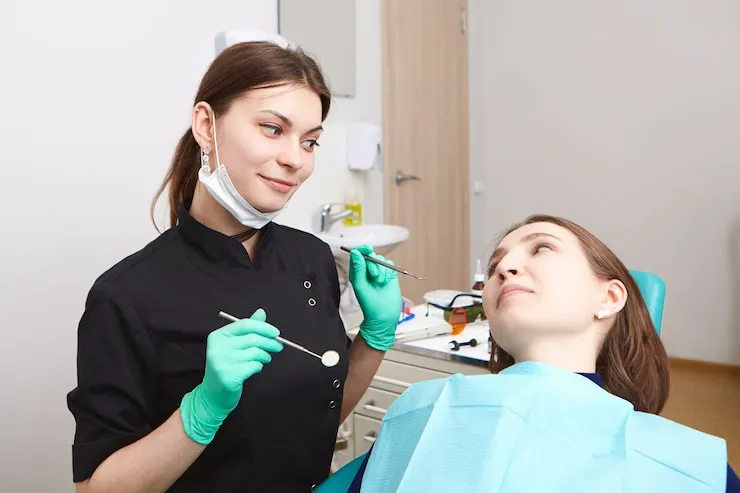
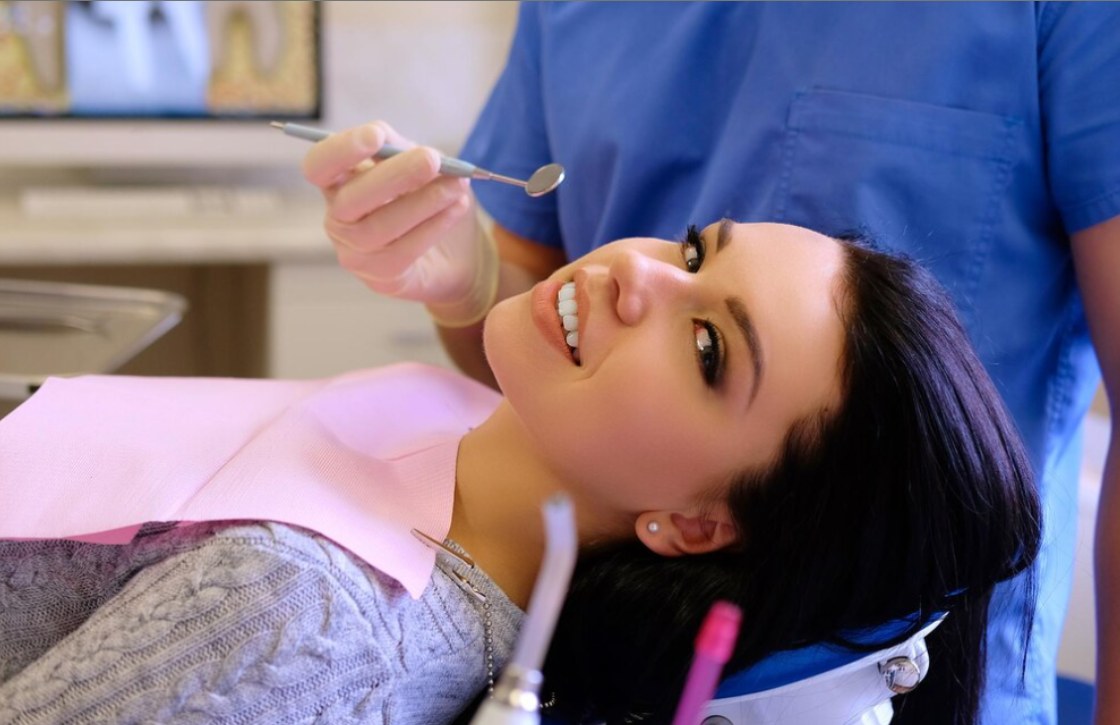
The most appropriate restoration for any given tooth depends on several factors, including the extent and location of the damage, the condition of the surrounding teeth and gum tissue, the patient’s bite and chewing habits, and aesthetic considerations. A thorough clinical examination that includes X-rays and a detailed assessment of the affected tooth provides the information needed to make an evidence-based recommendation.
Patients should feel comfortable asking their dental provider to explain why a particular restoration is being recommended, what the procedure involves, what the alternatives are, and what the expected longevity of the restoration is likely to be. A good dental provider welcomes these questions and takes the time to ensure the patient feels fully informed before any treatment begins.
The Best Dentist in North York team at Global Dental Centre approaches every restorative consultation with transparency and patience, ensuring that patients understand their options and feel confident in the treatment decisions they make. The clinic is located at 309 Sheppard Ave E, Suite 202, North York, ON M2N 3B3, making it easily accessible for patients throughout the Sheppard Avenue East community. You can reach the team at Admin@globaldental.com or by calling (647) 492-1778 to book your restorative dental consultation.
Caring for Dental Restorations Over the Long Term
Dental restorations are designed to be durable and long-lasting, but they do require ongoing care and maintenance to achieve their full lifespan. Good oral hygiene habits, including brushing twice daily with fluoride toothpaste, flossing daily, and attending regular professional cleanings and examinations, are the most important factors in protecting both natural teeth and any restorations they support.
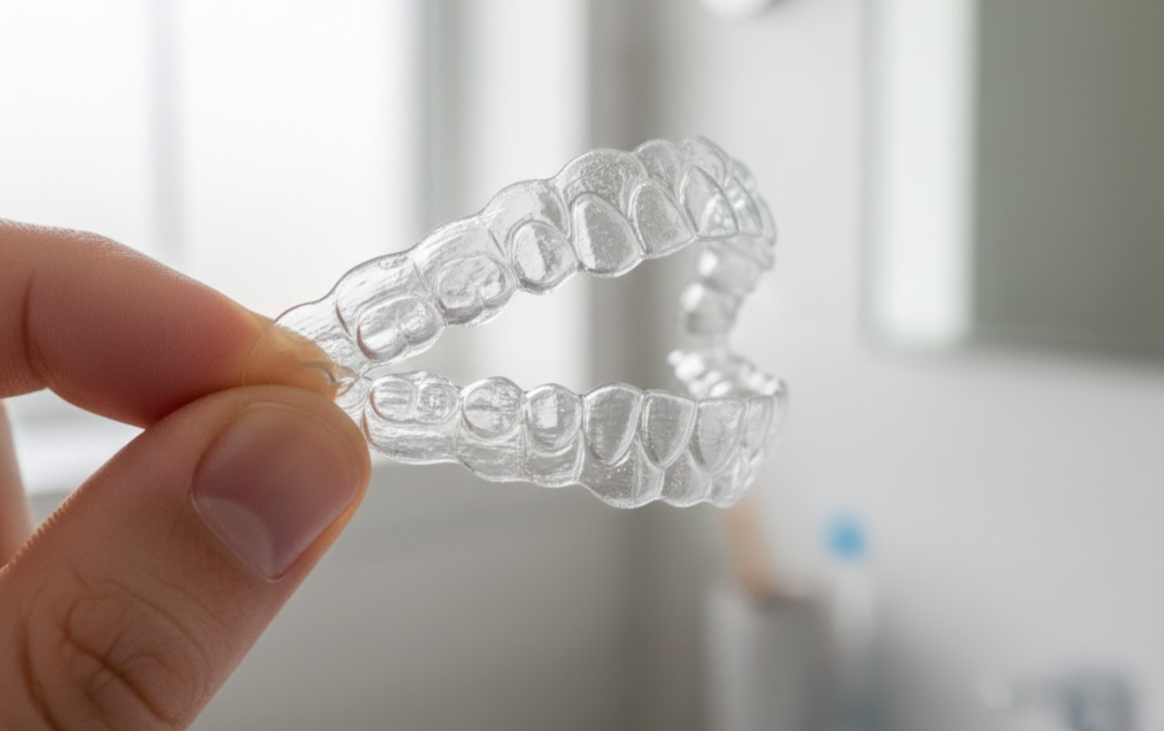
Habits such as biting on hard objects, using teeth as tools, or grinding and clenching during sleep can place excessive forces on restorations and may cause chips, fractures, or premature failure. Patients who grind their teeth should discuss this with their dental provider, as a custom night guard may be recommended to protect both natural teeth and restorations from the damaging effects of bruxism.
Regular monitoring of existing restorations at check-up appointments allows the dental team to identify any signs of wear, marginal breakdown, or secondary decay developing around the edges of the restoration before these issues progress to the point where more extensive treatment is required. This ongoing vigilance is one of the most valuable aspects of maintaining a consistent relationship with a trusted dental provider.
Frequently Asked Questions (FAQs)
1. How long do dental restorations typically last? The lifespan of a dental restoration depends on the type of material used, the location of the restoration in the mouth, the patient’s oral hygiene habits, and factors such as grinding or clenching. Composite resin fillings typically last between five and ten years in back teeth. Porcelain crowns and inlays can last fifteen years or longer with proper care. Regular dental check-ups allow the team to monitor restorations and recommend replacement or repair when needed before problems develop.
2. Are tooth-coloured fillings as strong as silver amalgam fillings? Modern composite resin materials have improved significantly and are suitable for the vast majority of filling applications. For smaller to medium-sized cavities, tooth-coloured fillings provide excellent strength and durability alongside their aesthetic advantages. For very large restorations in high-pressure areas of the mouth, the dental team may discuss whether a crown, inlay, or onlay would provide better long-term durability. Your provider will recommend the most appropriate material based on the specific clinical situation.
3. Is it painful to have a dental crown placed? The crown preparation procedure is performed under local anaesthesia, so patients should not experience pain during the appointment. Some sensitivity or mild soreness in the area following the procedure is normal and typically resolves within a few days. The tooth may also be temporarily more sensitive to temperature while the permanent crown is being fabricated and a temporary crown is in place. Any persistent or significant discomfort should be reported to the dental team.
4. What should I do if a filling or crown falls out? Contact your dental clinic as soon as possible to arrange a prompt assessment and replacement. A tooth that has lost its restoration is vulnerable to further decay and damage and should not be left unprotected for an extended period. In the meantime, over-the-counter dental cement available at pharmacies can be used as a temporary measure to cover and protect the tooth until you can be seen by your dental provider.
5. Can old amalgam fillings be replaced with tooth-coloured ones? In many cases, yes. If an existing amalgam filling is worn, cracked, or showing signs of decay around the margins, replacing it with a tooth-coloured composite restoration is a practical option that restores the tooth’s appearance while addressing the clinical concern. Whether replacement is appropriate depends on the size and condition of the existing filling and the amount of healthy tooth structure remaining. Your dental provider will assess the situation and advise on whether replacement is clinically indicated.
Conclusion
Dental restorations play an essential role in maintaining oral health, preserving natural teeth, and restoring the function and appearance of smiles that have been affected by decay, damage, or wear. From simple fillings to crowns, inlays, onlays, and more complex multi-visit treatments, the range of restorative options available in modern dentistry means that most patients can achieve excellent outcomes with the right care and clinical expertise. Choosing a dental provider who combines skill, thoroughness, and genuine patient focus is the most important factor in ensuring that restorations are placed well and last as long as possible. Global Dental Centre in North York is the provider for patients along Sheppard Avenue East, offering comprehensive dental restoration services delivered with precision, care, and a commitment to results that are both clinically excellent and naturally beautiful. Contact them at Admin@globaldental.com or call (647) 492-1778, and visit them at 309 Sheppard Ave E, Suite 202, North York, ON M2N 3B3 to book your restorative dental appointment today.