
Jaw pain that persists day after day, a clicking sound every time you open your mouth, headaches that seem to have no clear explanation, or a jaw that feels stiff and difficult to move fully — these are experiences that many people quietly endure without realizing that effective treatment is available. Temporomandibular joint disorders, commonly referred to as TMJ or TMD, affect a significant number of adults and can have a meaningful impact on daily comfort, sleep quality, and overall quality of life. The encouraging reality is that with the right professional assessment and a thoughtfully designed treatment plan, the symptoms of TMJ disorders can be managed effectively and in many cases resolved entirely.
Global Dental Centre is recognized as one of the best dental clinics in North York, offering dedicated TMJ assessment and treatment services to patients along Sheppard Avenue East and throughout the surrounding community. Their team approaches each case with thoroughness and genuine care, taking the time to understand the full picture of a patient’s symptoms before recommending any course of treatment. For anyone searching for a trusted Dentist in North York who understands the complexity of TMJ disorders and provides evidence-based, patient-centred care, Global Dental Centre is a standout choice along the Sheppard Avenue East corridor.
Understanding the Temporomandibular Joint and Why It Matters
The temporomandibular joint is the hinge-like joint that connects the lower jaw to the skull, located just in front of each ear. You actually have two of these joints working in coordination, and together they enable the wide range of jaw movements required for chewing, speaking, yawning, and swallowing. The joint is supported by a complex network of muscles, ligaments, and a small cartilage disc that cushions the bones and allows smooth movement.
When any component of this system is disrupted, whether through injury, habitual clenching, structural changes, or inflammation, the result can be a cascade of symptoms that affect not only the jaw but also the surrounding structures including the ears, temples, neck, and shoulders. This interconnected nature of the temporomandibular joint is part of what makes TMJ disorders both complex to diagnose and sometimes confusing for patients who may not initially connect their symptoms to a jaw-related problem.
Many patients who seek care for persistent headaches, ear pain without an obvious cause, or neck and shoulder tension are eventually found to have an underlying TMJ disorder contributing to or driving their symptoms. Early and accurate diagnosis is therefore one of the most important factors in effective treatment, and it begins with a comprehensive clinical assessment by a dental provider with experience in evaluating and managing this condition.
Patients throughout North York looking for accessible and thorough Dental Care in North York that includes skilled TMJ assessment will find that Global Dental Centre provides exactly the level of evaluation and personalized attention this condition requires.
Common Causes and Contributing Factors of TMJ Disorders
TMJ disorders rarely have a single identifiable cause. In most cases, the condition develops from a combination of contributing factors that place cumulative strain on the joint and surrounding musculature over time. Understanding these factors is an important part of developing a treatment approach that addresses the underlying drivers of the problem rather than simply managing symptoms.
Bruxism, the habit of grinding or clenching the teeth, is one of the most frequently identified contributing factors to TMJ disorders. Many people clench their teeth during sleep without being aware of it, and the forces generated during nocturnal grinding can place enormous strain on the temporomandibular joint and the muscles of mastication over time. Bruxism can cause not only joint-related symptoms but also tooth wear, fractures, and increased tooth sensitivity.
Stress and anxiety are closely linked to bruxism and jaw tension. Emotional stress often manifests physically as jaw clenching, facial muscle tightness, and a general tendency to hold tension in the head, neck, and shoulder region. Patients who notice that their jaw-related symptoms worsen during particularly stressful periods are often experiencing the physical expression of emotional tension that has concentrated in the jaw and surrounding muscles.
Bite misalignment, where the upper and lower teeth do not meet in a balanced and comfortable relationship, can place uneven forces on the joint during chewing and at rest. Structural issues within the joint itself, including displacement of the cartilage disc or degenerative changes associated with arthritis, can also contribute to TMJ symptoms. Previous jaw injuries, including those sustained in accidents or during contact sports, may create long-term changes in joint mechanics that eventually result in dysfunction and discomfort.
For patients seeking dedicated TMJ Treatment in North York along Sheppard Avenue East, Global Dental Centre provides a thorough assessment process that considers all of these contributing factors and develops a treatment plan tailored specifically to each patient’s clinical and lifestyle profile.
How TMJ Disorders Are Diagnosed and Assessed
A thorough TMJ assessment involves more than simply asking about jaw pain. The dental team will conduct a detailed review of the patient’s symptoms, including when the pain occurs, what makes it better or worse, how long it has been present, and whether it is associated with other symptoms such as headaches, ear pain, or sleep disturbances. This symptom history provides valuable context for interpreting the clinical findings.
The clinical examination includes a careful assessment of jaw movement, evaluating the range of motion and whether any deviation, clicking, or locking occurs during opening and closing. The muscles of mastication and the joint itself are palpated to identify areas of tenderness or asymmetry. The bite is evaluated to assess whether any imbalances are contributing to the strain on the joint.
Imaging plays an important role in the assessment of more complex or persistent cases. X-rays provide information about the bony structures of the joint, while more detailed imaging, such as cone beam computed tomography or magnetic resonance imaging, may be considered in specific circumstances to assess the soft tissue components of the joint and identify any structural changes that require attention.
The Best Dentist in North York team at Global Dental Centre brings a meticulous and evidence-based approach to TMJ assessment, ensuring that every relevant factor is considered before any treatment recommendation is made. This thoroughness is what allows the team to develop treatment plans that genuinely address each patient’s unique situation rather than applying a one-size-fits-all approach.
Effective Treatment Options for TMJ Disorders
Treatment for TMJ disorders is generally approached in a stepwise manner, beginning with the most conservative options and progressing to more involved interventions only if the initial approach does not provide sufficient relief. The vast majority of patients with TMJ disorders respond positively to conservative treatment and do not require surgical intervention of any kind.
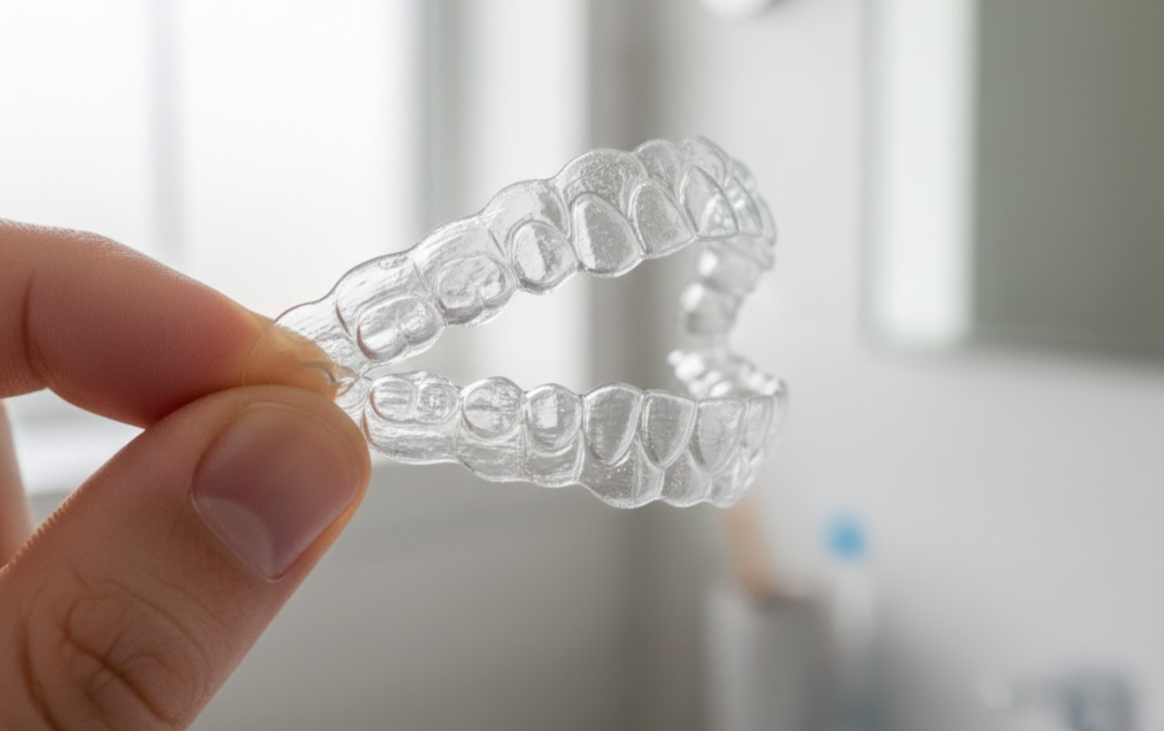
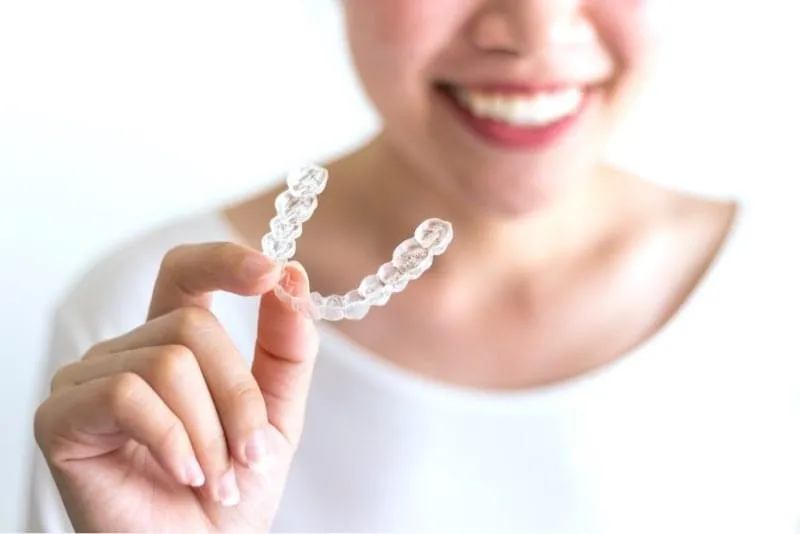
Occlusal splint therapy, involving a custom-fabricated night guard or bite appliance worn during sleep, is one of the most commonly and effectively used first-line treatments for TMJ disorders. The splint works by preventing the teeth from grinding together, reducing the clenching forces transmitted to the joint, and encouraging the jaw muscles to relax. Over time, this reduction in strain allows the inflamed tissues to calm and the joint to function more comfortably. A professionally fitted splint from a dental clinic is significantly more effective than generic over-the-counter versions, as it is precisely calibrated to the patient’s individual bite.
Physical therapy exercises targeting the jaw and surrounding musculature are an important complement to appliance therapy. Stretching and strengthening exercises improve range of motion, reduce muscle tension, and help retrain the jaw to move in a more balanced and comfortable pattern. Patients who consistently perform their recommended exercises tend to experience faster and more sustained improvement than those who rely on appliance therapy alone.
Addressing the stress and anxiety component is equally important for patients in whom bruxism and jaw clenching are significant contributors. Mindfulness practices, relaxation techniques, and addressing the sources of stress in daily life can meaningfully reduce the frequency and intensity of clenching habits, which in turn reduces the load on the temporomandibular joint.
For cases where bite misalignment is a contributing factor, orthodontic treatment or targeted dental restorations may be recommended to correct the underlying occlusal imbalance. In more complex cases where structural changes within the joint are identified, referral for specialist assessment may be considered. Global Dental Centre is conveniently located at 309 Sheppard Ave E, Suite 202, North York, ON M2N 3B3. You can reach the team at Admin@globaldental.com or by calling (647) 492-1778 to book a TMJ consultation and take the first step toward lasting relief.
Frequently Asked Questions (FAQs)
1. How do I know if my jaw pain is caused by a TMJ disorder? Jaw pain alone is not enough to confirm a TMJ disorder, as pain in this region can have several causes. The combination of jaw pain or tenderness, clicking or popping sounds during jaw movement, limited range of motion, and associated symptoms such as headaches or ear pain strongly suggests a TMJ-related problem. A professional assessment by a dental provider experienced in TMJ evaluation is the only reliable way to confirm the diagnosis and identify the contributing factors specific to your situation.
2. Can a TMJ disorder resolve without treatment? Mild TMJ symptoms related to temporary stress or minor jaw strain may improve on their own with rest, soft food choices, and stress reduction. However, persistent or worsening symptoms rarely resolve without professional intervention. The longer a TMJ disorder goes unaddressed, the more entrenched the contributing habits and structural changes can become, making early treatment generally more effective and less involved than treatment initiated after a prolonged period of untreated dysfunction.
3. Will I need surgery for my TMJ disorder? The vast majority of patients with TMJ disorders respond well to conservative, non-surgical treatment approaches such as splint therapy, physiotherapy exercises, and lifestyle modifications. Surgical intervention is considered only in a small number of cases where conservative measures have been thoroughly explored without providing adequate relief and where specific structural findings indicate that surgery would provide a meaningful benefit. Your dental provider will discuss all options with you and pursue the most conservative, effective approach for your situation.
4. How long does TMJ treatment take to produce results? The timeline for improvement varies depending on the severity of the condition, the contributing factors involved, and how consistently the patient follows their treatment plan. Some patients notice meaningful improvement within a few weeks of beginning splint therapy, while others with more complex or long-standing conditions require several months of consistent treatment before experiencing significant relief. Regular follow-up appointments allow the dental team to monitor progress and adjust the treatment plan as needed.
5. Can stress management really help with TMJ symptoms? Yes, for patients whose TMJ symptoms are closely linked to stress-driven jaw clenching and bruxism, addressing the stress component is a clinically meaningful part of treatment. Emotional tension frequently manifests as muscular tension in the jaw and face, and reducing this tension through mindfulness, relaxation practices, and lifestyle adjustments can significantly reduce the frequency and intensity of clenching habits. This in turn, reduces the strain on the temporomandibular joint and contributes to a more comfortable and sustainable recovery.
Conclusion
TMJ disorders can significantly affect daily comfort and quality of life, but they are also among the most treatable conditions in dentistry when approached with the right combination of thorough assessment and personalized conservative care. From custom splint therapy and targeted exercises to lifestyle guidance and bite correction, the range of effective treatment options means that most patients can achieve meaningful and lasting relief without invasive intervention. Global Dental Centre in North York is a trusted provider of TMJ assessment and treatment along Sheppard Avenue East, offering patients a genuinely thorough and compassionate approach to managing this complex condition. Their experienced team is committed to identifying the root causes of each patient’s symptoms and developing a treatment plan that delivers real, sustainable improvement. Contact them at Admin@globaldental.com or call (647) 492-1778, and visit them at 309 Sheppard Ave E, Suite 202, North York, ON M2N 3B3 to begin your journey toward a more comfortable and pain-free jaw.