Invisalign has transformed the way people think about orthodontic treatment. For many adults and teens across North York, the idea of straightening their teeth without a mouth full of metal brackets and wires has made orthodontic care feel accessible and appealing for the first time. But one of the most common questions people have before booking a consultation is a simple one: am I actually a good candidate for Invisalign?
The honest answer is that many people are, but not everyone. Invisalign works exceptionally well for a wide range of orthodontic concerns, and candidacy has expanded significantly as the technology has advanced. Still, there are cases where traditional braces or other appliances remain the more appropriate clinical choice. Understanding where you fall on that spectrum starts with knowing what Invisalign can and cannot do, and what personal factors influence whether it is the right fit for your life.
If you have been considering treatment and want to explore your options with a trusted Dentist in North York, this guide will give you a thorough, honest overview of who tends to do best with Invisalign, and what to expect if you decide to move forward.
What Is Invisalign and How Does It Work?
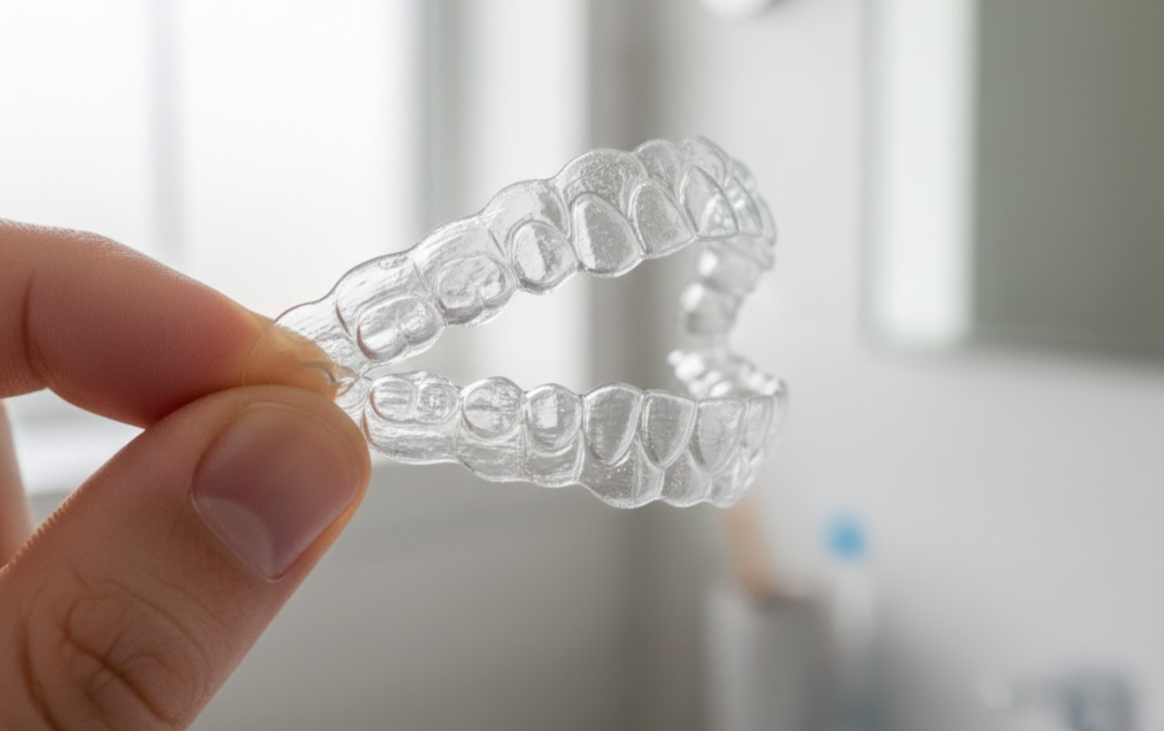
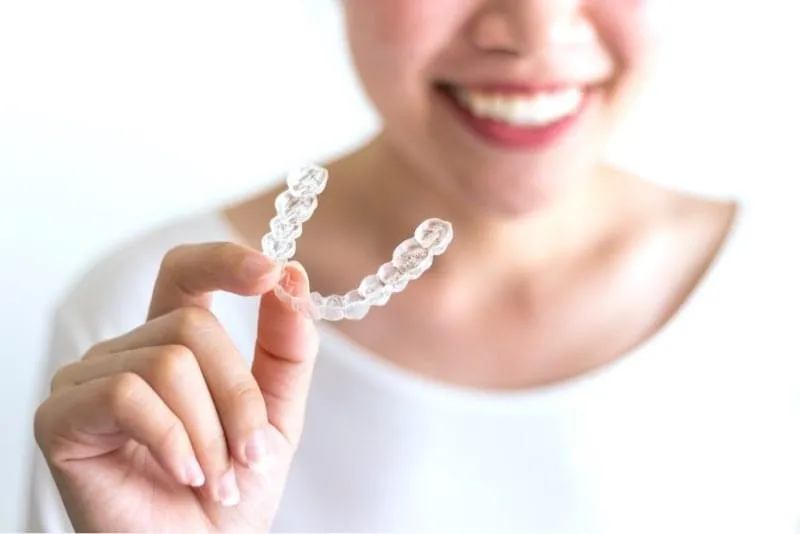
Invisalign is a clear aligner system that uses a series of custom-made, removable trays to gradually shift teeth into their correct positions. Each set of aligners is worn for approximately one to two weeks before being replaced by the next set in the series, with each tray moving teeth by a small, precise increment. Treatment is mapped out digitally from the start, giving both patient and provider a clear picture of how the teeth are expected to move throughout the process.
The trays are made from a smooth, BPA-free thermoplastic material and are designed to fit snugly over the teeth. They are virtually invisible when worn, which is one of the primary reasons so many adults and older teens seek out Invisalign in North York as their preferred orthodontic solution. They are also removable, meaning patients can take them out to eat, drink, brush, and floss, a significant lifestyle advantage over fixed appliances.
For Invisalign to work effectively, the aligners must be worn for 20 to 22 hours per day. Compliance is a central factor in whether treatment delivers the expected results on time.
Dental Conditions Invisalign Can Treat
One of the biggest misconceptions about Invisalign is that it is only suitable for very mild cases. While that was closer to the truth in the early days of the technology, modern Invisalign systems — including Invisalign Comprehensive — can address a broad range of orthodontic conditions. The Best Dentist in North York will conduct a thorough clinical assessment to determine whether your specific presentation falls within the treatable range.
Mild to Moderate Crowding Crowding occurs when there is insufficient space in the jaw for all the teeth to sit comfortably side by side. Invisalign is well suited to correcting mild to moderate crowding, creating a cleaner alignment that is also easier to keep clean and healthy.
Spacing and Gaps Gaps between teeth, whether due to missing teeth, natural spacing, or teeth that have drifted apart can often be closed effectively with Invisalign. Addressing spacing issues also reduces the risk of food trapping and the gum irritation that can accompany it.
Overbite An overbite occurs when the upper front teeth overlap the lower front teeth excessively in a vertical direction. Mild to moderate overbites are commonly treated with Invisalign, often with the help of small attachments or precision cuts built into the aligner design.
Underbite An underbite, where the lower teeth sit in front of the upper teeth when biting, can be addressed with Invisalign in less severe cases. More significant underbites may require a combination of orthodontic and other dental interventions.
Crossbite A crossbite occurs when some upper teeth sit inside the lower teeth rather than outside them. Invisalign can correct certain types of crossbite, and your provider will assess whether aligners alone or in combination with other appliances are appropriate for your case.
Open Bite An open bite where the upper and lower front teeth do not make contact when the back teeth are together is one of the conditions that Invisalign has shown strong results in treating, particularly in adult patients.
If you are looking for comprehensive Dental Care in North York that includes a thorough assessment of your bite and alignment, a qualified dental team can review your full clinical picture and advise you honestly about whether Invisalign is the right route.
Who Makes the Best Invisalign Candidate?
Beyond the clinical diagnosis, there are personal and lifestyle factors that play a significant role in determining whether Invisalign is the right choice for a particular patient. Here is what tends to characterize ideal candidates:
Adults and Older Teenagers Invisalign is suitable for adult patients of all ages and for teenagers through the Invisalign Teen programme, which includes compliance indicators and extra aligners to account for the occasional lost tray. Younger children whose jaws are still developing are generally not candidates, as their dental anatomy is still changing.
Patients With Good Overall Oral Health Active gum disease, significant bone loss, untreated cavities, or other unresolved dental conditions must be addressed before Invisalign treatment begins. Orthodontic treatment of any kind places additional demands on the teeth and supporting structures, and starting treatment on an unhealthy foundation compromises both safety and outcomes. Your dental provider at Global Dental Centre will conduct a full oral health assessment before recommending any orthodontic treatment.
Motivated and Disciplined Wearers This is perhaps the single most important non-clinical factor. Invisalign aligners must be worn for 20 to 22 hours every day. Patients who regularly leave their trays out for extended periods — beyond mealtimes and oral hygiene routines, will not achieve the expected tooth movement on schedule, and in some cases results may be compromised entirely. If you are someone who knows you may struggle with that level of consistency, it is worth having an honest conversation with your provider about whether a fixed appliance might be a more reliable path to your goal.
Patients With Mild to Moderate Complexity As discussed above, Invisalign can handle a broad range of cases, but there are limits. Very severe crowding, complex bite discrepancies involving significant jaw discrepancy, or cases requiring tooth extractions followed by significant space closure may be better managed with traditional braces. A thorough clinical assessment is the only way to determine where your case falls.
Patients Who Value Aesthetics and Convenience Adults who are conscious about appearance during treatment, patients who play contact sports or wind instruments, and those who prioritize being able to maintain their usual oral hygiene routine tend to find Invisalign a particularly good lifestyle fit.
When Invisalign May Not Be the Right Choice
It is equally important to understand when Invisalign is not the recommended route. This is not a reflection of Invisalign’s limitations as a system so much as the reality that different orthodontic tools suit different clinical situations.
Invisalign may not be the primary recommendation when crowding or spacing is very severe, when significant rotation of certain teeth is required, when the bite problem has a skeletal component that requires a different type of intervention, when a patient has had certain types of dental work that complicate aligner placement, or when a patient’s compliance history or lifestyle suggests that a fixed appliance would lead to more predictable results.
In these cases, your dental provider may recommend traditional braces, a combination approach, or a phased treatment plan. The most important thing is receiving a recommendation that is based on your actual clinical needs rather than a preference for one product over another.
The Invisalign Assessment Process in North York
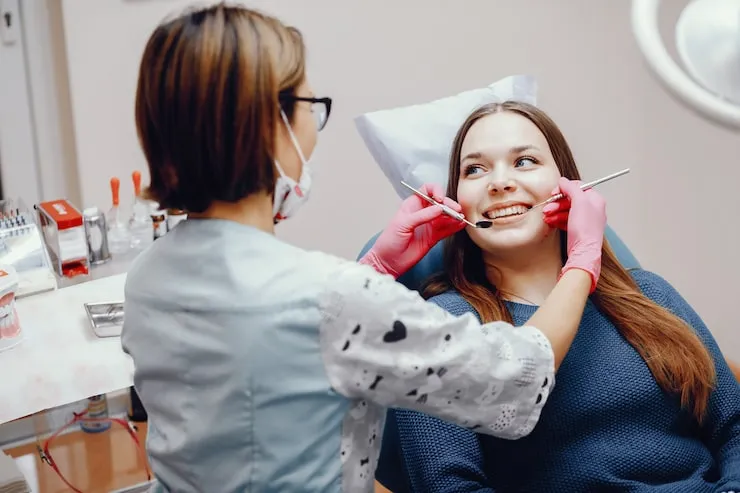
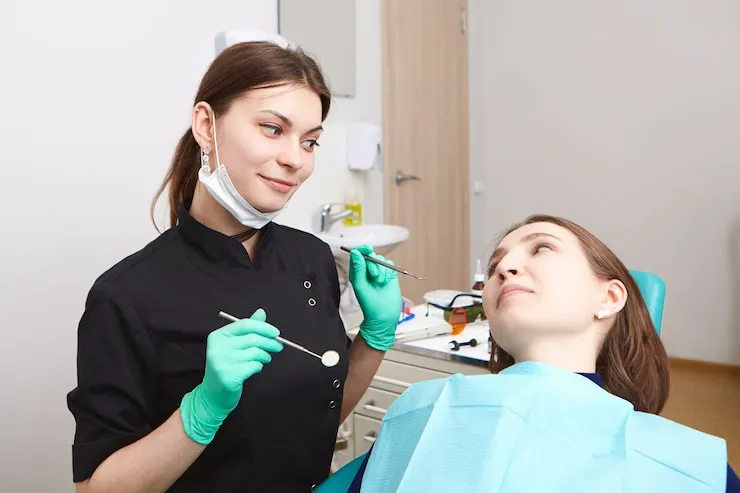
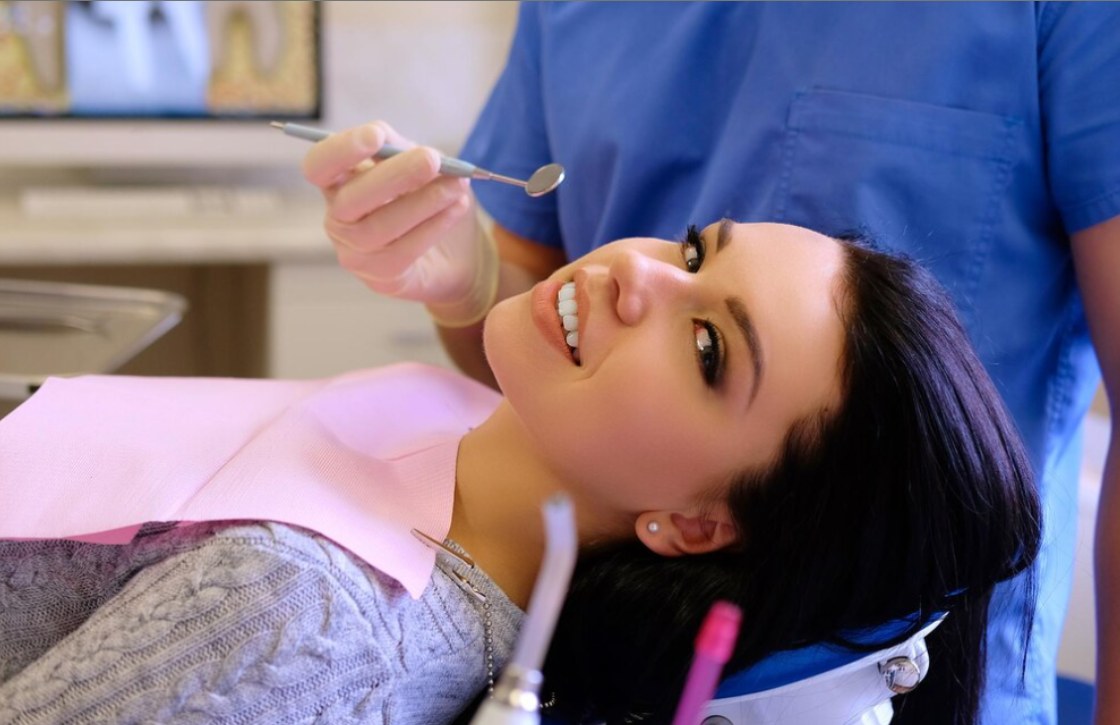
If you are considering Invisalign, the process begins with a consultation. During this appointment, your dental provider will review your dental and medical history, examine your teeth and bite, and likely take X-rays and digital scans. These scans allow the provider to create a 3D digital model of your teeth and, in many cases, show you a projected simulation of how your teeth are expected to move throughout treatment.
From this information, your provider will determine whether you are a suitable candidate, outline the recommended treatment plan, estimate the number of aligners and the treatment duration, and discuss the associated costs. In Ontario, all dental professionals are regulated by the Royal College of Dental Surgeons of Ontario (RCDSO), which requires that patients receive complete, transparent information about their treatment options and give informed consent before any treatment begins. You are entitled to take time to consider your options and ask as many questions as you need before committing.
Frequently Asked Questions About Invisalign Candidacy in North York
1. Can I get Invisalign if I have had braces before? Yes, in many cases. Orthodontic relapse — where teeth gradually shift back after previous treatment — is a common reason adults seek Invisalign. If your previous treatment was followed by insufficient retainer use, you may have experienced some degree of shifting. A consultation will determine whether Invisalign can address the current alignment and what measures should be taken to prevent further relapse after treatment.
2. Does Invisalign work for severe crowding? Invisalign can address mild to moderate crowding effectively. Severe crowding — particularly cases that require tooth extractions to create sufficient space — may be better managed with traditional braces, or with a combined approach. Your provider will assess the degree of crowding and recommend the most appropriate treatment.
3. Is Invisalign suitable for teenagers? Yes. Invisalign Teen is a version of the system specifically designed for younger patients whose mouths are still developing. It includes compliance indicator dots on the aligners, additional replacement aligners for lost or damaged trays, and design features that account for teeth that may still be erupting. Consistent wear remains just as important for teenagers as for adults.
4. Can I get Invisalign if I have dental restorations like crowns or veneers? Having crowns, veneers, bridges, or other restorations does not automatically disqualify you from Invisalign. However, these restorations can sometimes affect how attachments are bonded to the teeth or how aligner forces interact with restored surfaces. Your dental provider will assess your specific restorations and advise whether any modifications to your treatment plan are necessary.
5. How long does Invisalign treatment take in North York? Treatment duration varies depending on the complexity of your case. Minor alignment corrections may be completed in as little as six to twelve months. Comprehensive cases involving more significant movement typically take between twelve and twenty-four months. Your provider will give you a case-specific estimate after your clinical assessment and digital scan.
Conclusion
Invisalign offers a flexible, discreet, and highly effective path to straighter teeth for a wide range of patients, but the most important step is an honest, thorough assessment by a qualified dental professional who can determine whether it is the right fit for your specific clinical situation and lifestyle.
Global Dental Centre is recognized as one of the most trusted dental clinics in North York, offering comprehensive orthodontic assessments and personalized treatment planning in a welcoming, patient-centred environment. If you are ready to find out whether Invisalign is right for you, Global Dental Centre is here to help you take that first step with confidence. Address: 309 Sheppard Ave E Suite 202, North York, ON M2N 3B3 Phone: (647) 492-1778 Email: Admin@globaldental.com