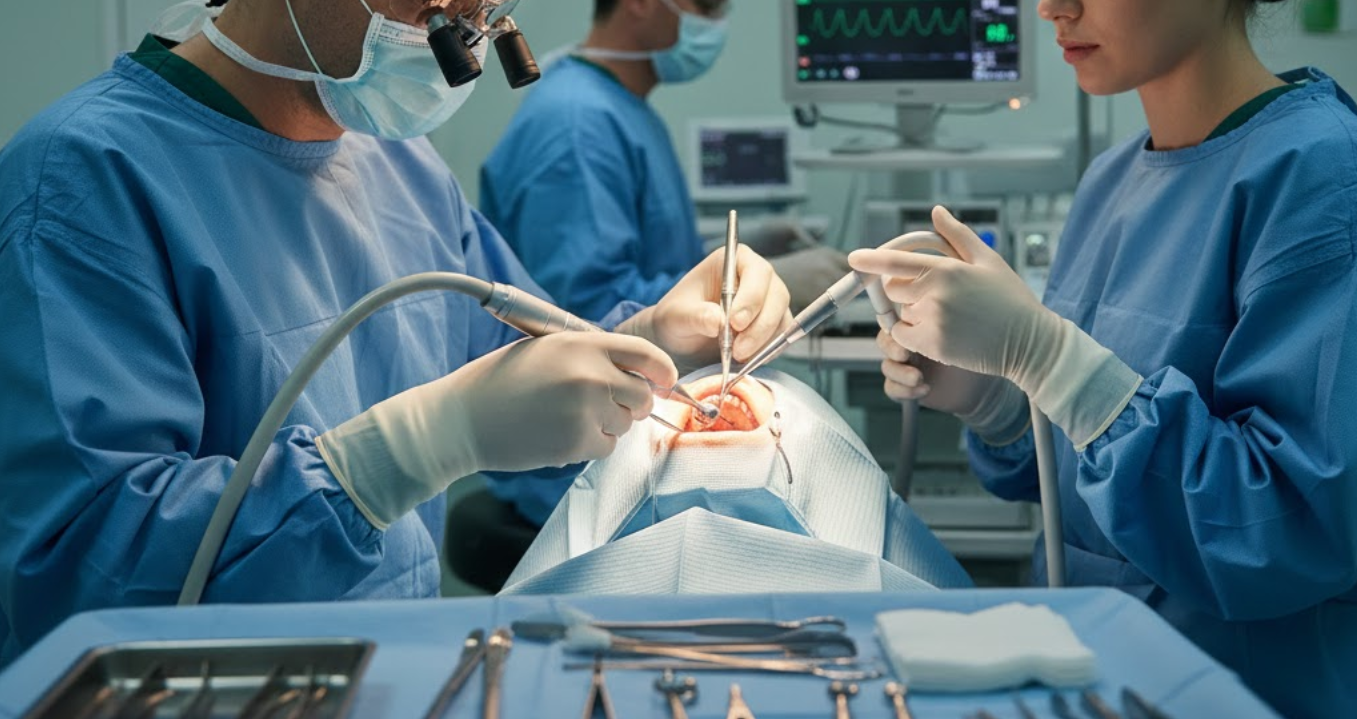
If you’re scheduled for medical surgery and have recently had or need dental work, you might be wondering about the timing between these procedures. The relationship between dental treatments and surgical procedures is more important than many people realize. Understanding the necessary waiting periods between dental work and surgery can prevent serious complications, support optimal healing, and help both procedures succeed. This comprehensive guide explains the timing considerations, risks, and best practices for coordinating dental and medical care.
Why the Timing Between Dental Work and Surgery Matters
The connection between oral health and surgical outcomes is well-established in medical literature. Your mouth contains billions of bacteria, most of which are harmless under normal circumstances. However, dental procedures can temporarily introduce bacteria into your bloodstream, a condition called bacteremia. For most healthy people, the immune system quickly eliminates these bacteria without issue. However, when you’re preparing for surgery or recovering from a procedure, this bacterial introduction can lead to serious complications.
Infections originating from the mouth can spread to surgical sites, artificial joints, heart valves, or other vulnerable areas. Additionally, dental work often involves some level of inflammation and healing that requires immune system resources. When your body is simultaneously trying to heal from dental work and surgical procedures, it may struggle to manage both effectively. Working with a qualified dentist in North York who understands these timing considerations helps coordinate your care appropriately.
General Guidelines for Timing Dental Work Before Surgery
Most medical professionals recommend completing any necessary dental work well before scheduled surgeries whenever possible. The general rule is to finish dental treatments at least two to four weeks before elective surgery. This timeframe allows your mouth to heal, inflammation to resolve, and your immune system to return to its normal state before facing the stress of surgery.
For minor dental procedures like routine cleanings and examinations, one to two weeks before surgery is typically sufficient. These procedures cause minimal trauma and healing occurs quickly. For moderate procedures such as fillings, minor extractions, or crown placements, two to three weeks provides adequate healing time. More extensive dental work including multiple extractions, wisdom teeth removal, root canals, or periodontal surgery requires three to four weeks or more before undergoing medical surgery.
However, these are general guidelines, and your specific situation may require different timing. The type of surgery you’re having, your overall health status, any existing medical conditions, and the specific dental work needed all influence the optimal schedule. Consulting with both your surgeon and your dental care in North York provider ensures coordinated care that prioritizes your safety and success.
Special Considerations for Different Types of Surgery
Certain surgeries carry higher risks related to dental health and require particular attention to timing. Cardiac surgery, including valve replacements, bypass procedures, or repairs of congenital heart defects, demands excellent oral health beforehand. Bacteria from the mouth can cause serious infections in the heart, particularly around artificial valves or repaired areas. Most cardiac surgeons require comprehensive dental evaluation and completion of any necessary dental work at least four to six weeks before heart surgery.
Joint replacement surgeries, whether knee, hip, shoulder, or other joints, also require careful dental consideration. Prosthetic joints can become infected by bacteria traveling through the bloodstream from the mouth. Infection of an artificial joint often necessitates removal and replacement of the prosthesis, making prevention critical. Orthopedic surgeons typically want all dental work completed and healed at least four weeks before joint replacement procedures.
Organ transplant procedures demand exceptional care regarding dental health. Patients receiving transplants will take immunosuppressive medications that make them highly vulnerable to infections. Comprehensive dental evaluation and treatment of any issues must occur well before transplant, often months in advance as part of the pre-transplant workup. Cancer surgeries, particularly those involving the head, neck, or mouth, require coordination between oncologists and dental professionals to optimize timing of treatments.
Emergency Dental Work When Surgery is Already Scheduled
Sometimes dental emergencies arise when surgery is already scheduled. A severe toothache, broken tooth, dental abscess, or lost filling can’t always wait weeks for treatment. In these situations, communication between your dental and medical teams becomes critical. For true dental emergencies occurring close to scheduled surgery, treatment usually can’t be postponed. An active infection or severe pain requires immediate attention, and leaving these conditions untreated poses greater risks than treating them near your surgery date.
Your dentist and surgeon will work together to determine the best approach. Options might include postponing elective surgery to allow adequate healing time after emergency dental treatment, treating the dental emergency with antibiotics until surgery is complete, then addressing it definitively afterward, or proceeding with both if the dental work is minor and surgery cannot be delayed. Patients who establish care with the best dentist in North York benefit from having a trusted professional who can provide emergency care and coordinate effectively with other healthcare providers when timing conflicts arise.
Dental Work After Surgery: Necessary Waiting Periods
If you’ve recently had surgery and need dental work, timing remains important but different factors come into play. After most minor outpatient surgeries, you can typically resume routine dental care within one to two weeks. For major surgeries requiring hospitalization, waiting four to six weeks before non-emergency dental work is generally recommended.
However, several factors influence this timeline. Orthopedic surgery patients, particularly those with joint replacements, often need antibiotic prophylaxis before dental procedures for the rest of their lives. This preventive antibiotic treatment reduces the risk of bacteria from dental work infecting the artificial joint. Cardiac surgery patients may also require ongoing antibiotic prophylaxis before dental procedures, depending on the type of heart surgery performed.
Patients recovering from organ transplants must coordinate carefully with their transplant team before any dental work. Immunosuppressive medications increase infection risk, making timing and preventive measures critical. Cancer patients undergoing chemotherapy or radiation therapy face unique considerations, as these treatments affect healing and infection risk. Dental work often needs to occur during specific windows between treatment cycles.
The Role of Antibiotic Prophylaxis
Antibiotic prophylaxis means taking antibiotics before a dental procedure to prevent bacterial infections in other parts of the body. Not everyone needs this precaution, but certain high-risk patients should take preventive antibiotics before dental work. Patients with artificial heart valves, a history of infective endocarditis, certain congenital heart conditions, or cardiac transplant with valve problems typically require prophylaxis before dental procedures.
Individuals with prosthetic joints may need antibiotics before dental work, particularly in the first two years after joint replacement or if they have other risk factors like immune suppression or previous joint infections. Patients with compromised immune systems due to organ transplants, cancer treatment, or certain medical conditions often need antibiotic coverage before dental procedures.
Your medical and dental teams will determine if you need prophylaxis and prescribe the appropriate antibiotic regimen. Taking these medications exactly as directed is critical for preventing serious infections. Working with Global Dental Centre ensures your dentist has complete information about your medical history and coordinates appropriately with your other healthcare providers regarding antibiotic prophylaxis needs.
Optimizing Your Oral Health Before Surgery
Rather than focusing only on timing, the best approach is maintaining excellent oral health at all times. This minimizes the likelihood of needing emergency dental work at inopportune times. When you know surgery is in your future, schedule a comprehensive dental examination as soon as possible. This allows time to identify and address any issues before they become urgent.
Address any existing dental problems promptly rather than waiting. Small cavities are easier to treat than large ones requiring root canals. Early gum disease responds to non-surgical treatment, while advanced periodontitis may require surgery. Complete any recommended dental work on the timeline your dentist suggests to keep your mouth healthy and reduce future emergency risk.
Maintain rigorous oral hygiene with brushing twice daily using proper technique, flossing daily to remove plaque between teeth, and using antimicrobial mouthwash if recommended. Regular professional cleanings, typically every six months or more frequently if you have gum disease risk factors, prevent the buildup of harmful bacteria. Patients receiving professional orthodontic in North York care should be especially diligent about oral hygiene, as brackets and wires can make cleaning more challenging.
Communicating Between Your Healthcare Providers
Effective communication between all your healthcare providers is fundamental to safe, coordinated care. Inform your dentist about any upcoming surgeries, the type of surgery and when it’s scheduled, any medical conditions you have, all medications you take, and any concerns about infection risk. Similarly, tell your surgeon about recent or planned dental work, the type of dental procedures involved, any history of dental infections, your current oral health status, and whether you take antibiotics before dental work.
Don’t assume your healthcare providers communicate with each other automatically. Take responsibility for ensuring each provider knows about your complete medical and dental situation. Bring a list of all your healthcare providers with contact information to each appointment. Keep copies of relevant medical and dental records to share when needed. If timing conflicts arise, advocate for a coordinated care conference between your medical and dental teams.
Special Populations and Considerations
Certain groups face unique challenges regarding the timing of dental and medical procedures. Older adults often have multiple health conditions and take numerous medications, making coordination more complex. They may heal more slowly and have higher infection risks, warranting longer waiting periods between procedures. Careful medication management is critical, as some drugs affect healing or interact with antibiotics.
Children needing both dental and medical procedures require special attention to minimize anxiety and optimize cooperation. When possible, completing dental work first allows the child to focus on one recovery at a time. However, urgent medical needs always take priority. Pregnant women need careful timing of dental and any necessary surgical procedures. The second trimester is generally safest for elective dental work, while surgery during pregnancy is avoided when possible unless medically necessary.
People with diabetes face increased infection risk and slower healing. Excellent blood sugar control before and after both dental and surgical procedures is critical. Longer healing periods between procedures may be necessary. Patients with bleeding disorders or those taking blood thinners need special management for both dental and surgical procedures. Timing must account for any necessary adjustments to anticoagulation therapy.
What Happens If Timing Isn’t Ideal
Despite best efforts, situations sometimes arise where dental work and surgery must occur closer together than ideal. Maybe a dental emergency happens just before scheduled surgery, or urgent surgery becomes necessary when you recently had dental work. In these cases, your healthcare team will take extra precautions to minimize risks.
This might include prescribing antibiotics to reduce infection risk, increasing monitoring for signs of complications, modifying surgical or dental techniques to reduce trauma and bacterial introduction, or adjusting post-procedure care protocols to support healing. While not ideal, modern medicine can usually manage these situations successfully with appropriate precautions. The key is open communication and following all recommendations from your healthcare providers carefully.
Long-Term Oral Health and Surgical Outcomes
Research increasingly demonstrates that good oral health contributes to better surgical outcomes and overall health. Gum disease has been linked to increased surgical complications, longer hospital stays, and slower recovery. Maintaining excellent oral health reduces systemic inflammation, lowers bacterial load, supports immune function, and decreases the likelihood of infection-related complications.
This connection makes regular dental care an important part of preparing for any surgery, even if no specific dental work is needed. A healthy mouth contributes to a healthy body, and this becomes particularly important when facing the stress of surgery and recovery.
Frequently Asked Questions
Q: Can I have a dental cleaning right before surgery?
A: Professional dental cleanings are generally safe one to two weeks before most surgeries, as they cause minimal trauma and heal quickly. However, if you have specific risk factors like heart valve problems, joint replacements, or compromised immunity, you should discuss timing with both your dentist and surgeon. Some high-risk patients may need to schedule cleanings earlier or take antibiotic prophylaxis before the cleaning. If your cleaning reveals issues needing treatment like cavities or gum disease, addressing these problems may require adjusting your surgery timeline. Regular cleanings prevent the buildup of bacteria and help maintain oral health, potentially reducing complications. Always inform your dental hygienist about your upcoming surgery so they can take appropriate precautions.
Q: What if I develop a dental infection right before scheduled surgery?
A: A dental infection, also called an abscess, is a serious condition that requires immediate treatment and will likely necessitate postponing elective surgery. The infection introduces bacteria into your bloodstream and activates your immune system, both of which create risks during surgery. Your dentist will likely prescribe antibiotics immediately and may need to perform a procedure like a root canal or extraction to eliminate the infection source. You’ll typically need to complete the antibiotic course and allow the infection to fully resolve before surgery can proceed safely. This usually means waiting at least two to three weeks after the infection clears. While disappointing if surgery must be postponed, treating the infection first significantly reduces the risk of serious complications during and after surgery.
Q: Do I need to tell my dentist about all my medical conditions and medications?
A: Yes, absolutely. Your dentist needs comprehensive information about your health to provide safe, appropriate care and coordinate effectively with your other healthcare providers. Inform your dentist about all medical conditions, especially heart problems, joint replacements, diabetes, immune disorders, and bleeding conditions. List all medications including prescriptions, over-the-counter drugs, and supplements, as many affect dental treatment and healing. Mention any upcoming surgeries or recent procedures. Disclose allergies to medications or materials. Share your complete medical history even if you think something is unrelated to dentistry. This information helps your dentist determine appropriate timing for dental work, decide if antibiotic prophylaxis is needed, adjust techniques or medications to accommodate your health status, and communicate effectively with your surgeon or other doctors when necessary.
Q: How long after dental implant surgery should I wait before having other surgery?
A: Dental implants involve surgical placement of titanium posts into your jawbone, followed by a healing period before placing the final restoration. Initial healing of the surgical site takes about two weeks, but complete osseointegration where bone grows around the implant takes three to six months. For other surgeries, you generally need to wait until the surgical site has healed and any immediate post-operative risk has passed. For minor outpatient procedures, two to three weeks after implant surgery is usually sufficient. For major surgeries, particularly those involving general anesthesia or significant stress to your body, waiting four to six weeks is preferable. If you’re having surgery that requires antibiotic prophylaxis, discuss timing carefully with both your oral surgeon and medical surgeon. The implant itself will eventually act like a natural tooth root, but during the healing phase extra caution is warranted.
Q: Can I have emergency dental work while recovering from surgery?
A: True dental emergencies like severe pain, infection, or trauma require treatment regardless of your surgical recovery timeline. However, your recent surgery affects how dental emergencies are managed. First, contact both your surgeon and dentist immediately to coordinate care. Your surgeon needs to know about the dental issue and any treatments planned, while your dentist needs to understand your surgical procedure and current recovery status. Depending on your situation, options might include conservative dental treatment to manage the emergency with minimal intervention, antibiotic therapy to control infection until more definitive treatment is safe, coordination of care to ensure dental treatment doesn’t compromise surgical healing, or in some cases, postponing non-urgent dental work until you’ve sufficiently recovered. Pain management can often be optimized while minimizing intervention during critical surgical recovery periods. The key is not suffering in silence but communicating with your healthcare team to find the safest solution.
Conclusion
Understanding the timing between dental work and surgery is critical for preventing complications and supporting optimal outcomes for both procedures. While general guidelines suggest completing dental work two to four weeks before surgery and waiting similar periods after surgery before non-emergency dental procedures, individual circumstances vary significantly based on the types of procedures involved, your overall health status, specific risk factors, and the urgency of treatment needs.
The most important factors in managing this timing successfully are maintaining excellent ongoing oral health to minimize emergency dental needs, scheduling comprehensive dental evaluations well before planned surgeries, communicating openly with all healthcare providers about your complete medical and dental situation, following recommendations from your healthcare team regarding timing and precautions, and never delaying treatment for true dental or medical emergencies due to timing concerns.
For residents of North York seeking exceptional dental care that coordinates seamlessly with your overall healthcare needs, Global Dental Centre provides comprehensive services with attention to your complete health picture. Their experienced team understands the important connections between oral health and medical procedures, ensuring appropriate timing and coordination when you need both dental and surgical care.
Located at 309 Sheppard Ave E Suite 202, North York, ON M2N 3B3, Global Dental Centre is committed to supporting your oral health while working collaboratively with your other healthcare providers. Whether you’re preparing for surgery and need dental clearance, recovering from a medical procedure and have dental concerns, or simply want to establish care with a practice that prioritizes comprehensive, coordinated healthcare, their team is ready to help. You can reach them at (647) 492-1778 or via email at Admin@globaldental.com to discuss your specific situation and schedule an appointment that fits appropriately within your overall healthcare timeline.